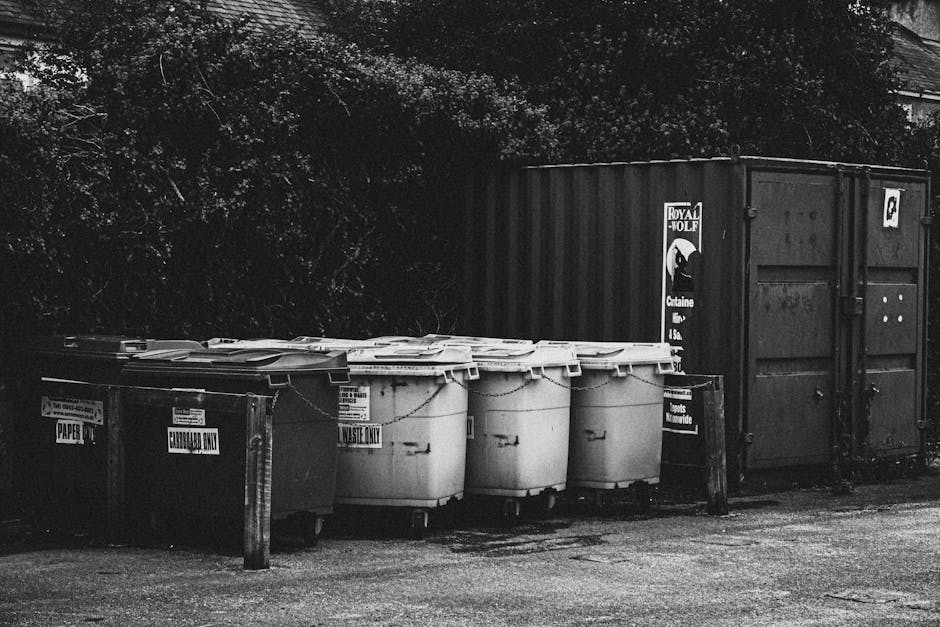
Bromley Council skip and waste rules for Downham moves
Posted on 06/07/2026
Moving home in Downham sounds simple until the waste starts piling up: broken furniture, old boxes, bagged rubbish, bits you meant to keep, and that one cupboard you have been avoiding for months. If you are trying to make sense of Bromley Council skip and waste rules for Downham moves, you are probably looking for two things at once: a clean, legal way to clear the property and a move that does not turn into a mess at the kerb. Fair enough.
This guide breaks the whole thing down in plain English. We will look at why the rules matter, how skip and waste disposal usually works during a move, what you can and cannot dump casually, and how to plan everything so you avoid delays, complaints, and unpleasant surprises. If you are decluttering before the move as well, you may also find this decluttering guide and these moving-out cleaning tips useful alongside the advice here.

Why Bromley Council skip and waste rules for Downham moves Matters
Waste rules are not the glamorous part of moving, but they are one of the parts most likely to trip people up. In Downham, a move can produce far more waste than you expect. There is the obvious stuff - packaging, damaged items, bags of mixed rubbish - and then there is the awkward waste: mattresses, white goods, old paint tins, garden waste, or items too bulky for a standard bin collection.
The main reason these rules matter is simple: moving day already carries enough pressure. If you leave waste in the wrong place, put out a skip without understanding the setup, or mix rubbish in a way that is not accepted, you can create a delay right when you want momentum. Worse, you can annoy neighbours, block access, or end up paying for extra handling.
There is also a practical side that people sometimes overlook. A move is easier when the departure property is clear, tidy, and safe to work in. That means no loose debris near doorways, no overfilled black bags sitting in the hallway, and no mystery pile in the front garden that gets in the way of loading. It sounds obvious, but on a busy moving day, obvious things get missed. We have all seen it happen.
For many Downham moves, especially flats or tighter streets, waste management is not just about disposal. It is about space, access, timing, and keeping the move smooth from the first box to the last. If you are handling heavy or awkward items as part of the clear-out, this bed and mattress moving guide and sofa storage advice can help you decide what is worth moving, storing, or disposing of.
How Bromley Council skip and waste rules for Downham moves Works
At a practical level, there are usually three parts to think about: what waste you have, how it is being removed, and whether any permit, booking, or placement rule affects the process. The exact arrangements can vary depending on the type of waste and where it is being kept, so the safest approach is to plan around the council's local expectations rather than assume all disposal is the same.
During a typical move, the waste stream falls into one of these categories:
- Household rubbish such as packaging, small broken items, and day-to-day waste
- Bulky waste such as old furniture, beds, wardrobes, and large household items
- Recyclables such as cardboard, clean paper, metal, or certain plastics
- Special items that need separate handling, like electricals, liquids, or sharp materials
- Skip waste from a clear-out or renovation-style move, where a container is placed for a larger volume
The key thing with skips is that they are not a free-for-all. Placement matters. Access matters. What goes inside matters. A skip on a street in Downham may need sensible positioning so it does not obstruct neighbours, pedestrians, or moving vehicles. If your move is taking place near busier routes or tighter loading areas, it becomes even more important to think ahead. For local timing and access pressure, the guides on Downham High Street loading and timing and Lewisham Council parking permits for movers are especially relevant.
Another part of the process is sorting. If you throw mixed waste into one pile, you may be creating more cost and effort later. It is usually better to separate keep, donate, recycle, and dispose. That one habit alone can save a huge amount of stress. Sounds boring, but it works.
Key Benefits and Practical Advantages
When the waste side of the move is organised properly, the whole day feels calmer. That is the real benefit. But there are also several practical advantages that show up quickly.
- Less last-minute panic: you are not trying to figure out where a broken bookcase goes while the van is waiting outside.
- Cleaner access routes: hallways, stairwells, front paths, and driveways stay safer for everyone.
- Better sorting for recycling: cardboard, metal, and reusable items are easier to separate when you plan early.
- Fewer missed items: if you decide what is being disposed of before moving day, you are less likely to accidentally throw away something important.
- Reduced risk of complaints: neighbours tend to be more tolerant when waste is handled neatly and promptly.
There is also a hidden benefit: moving out with less clutter almost always makes the property feel more presentable. That matters if you are handing back keys, arranging a final inspection, or simply want the place to feel properly finished. In our experience, people often underestimate how much mental relief comes from one clean sweep. You can almost hear the place breathe again, if that does not sound too strange.
If your move involves awkward or bulky furniture, it can help to read how specialist moves handle pianos and the Downham furniture removals page to judge whether an item should be moved, sold, stored, or removed separately.
Who This Is For and When It Makes Sense
This topic matters to anyone moving in Downham, but it is especially relevant if your move includes a serious clear-out. A small, neat flat move with a few boxes is one thing. A three-bedroom house with an attic, a shed, and a backlog of "we will sort that later" items is another story entirely.
It makes particular sense if you are:
- downsizing and need to remove furniture before completion
- moving from a rented property and want the place cleared properly
- handling an estate clear-out or inherited property
- moving office contents or mixed household items
- preparing for a tight turnaround where waste must be gone fast
- trying to combine decluttering with a same-day move
Students and flat-sharers often benefit from a simpler version of the same approach. Even if you do not need a skip, you may still need to organise bulky waste, old desks, broken storage, or excess packaging. If that sounds familiar, the guides on student moving in Downham and flat removals in Downham are worth a look.
One practical rule of thumb: if waste will take longer to sort than the move itself, you probably need a more deliberate disposal plan. That is usually the moment people realise they need to slow down for ten minutes and make decisions properly.
Step-by-Step Guidance
Here is the simplest way to tackle the waste side of a Downham move without losing the run of yourself.
- Walk through the property room by room. Make a quick list of what is staying, going, being donated, recycled, or sold.
- Separate bulky waste from general rubbish. A broken chair is not the same as cardboard, and a dead toaster is not the same as a food bin bag.
- Check access and space. Think about where the skip or waste pile would sit, whether it blocks the path, and how the removal team will load the van.
- Decide whether you actually need a skip. For many moves, a well-planned man and van clearance is enough. A skip only makes sense when the volume and type of waste justify it.
- Keep recyclable materials clean and separate. Flatten boxes, bundle paper, and avoid mixing recyclables with food waste or damp debris.
- Schedule removal early. Do not leave disposal until the night before. That is when everything suddenly becomes three times more annoying.
- Protect floors and entrances. Bag loose waste properly and avoid dragging sharp or dirty items through the property.
- Do a final sweep before handover. Check cupboards, loft spaces, under beds, behind appliances, and the garden if there is one.
For packing discipline during this process, this step-by-step packing guide is a good companion read. It helps you avoid mixing disposal with essentials, which is a small detail but a big one on moving day.
Practical summary: sort early, separate clearly, plan access, and remove waste before it becomes part of the moving pile. That is the whole game, really.
Expert Tips for Better Results
A few small decisions can make a surprisingly big difference.
- Use colour-coded pile zones. One corner for keep, one for recycle, one for dispose, one for donate. It sounds a bit over-organised until you are halfway through a chaotic Tuesday morning and grateful for it.
- Break furniture down where possible. Flat-pack pieces, removed legs, and separated shelves save space and are easier to manage safely.
- Keep hazardous or awkward items separate. Do not mix sharp edges, liquids, or anything questionable into a general waste pile.
- Photograph the property before and after clear-out. That is useful if you need evidence of condition, access, or what was left behind.
- Plan for wet weather. Downham rain on cardboard is not your friend. If the forecast looks grim, cover waste or move it under shelter.
- Keep moving-day pathways clean. A clear route reduces slips, trips, and that awkward moment when someone has to step over a rogue bag.
If you are dealing with heavy pieces while sorting waste, the practical advice in heavy-load lifting tips and safe solo lifting techniques can be helpful, though for anything truly awkward you are usually better off bringing in help. No heroics needed.
Another small tip: do the waste sort earlier in the day if possible. By late afternoon, motivation drops, the kettle gets used too much, and somehow the pile looks bigger than it did at breakfast.
Common Mistakes to Avoid
Most moving problems with waste come from rushing, not from bad intentions. The usual mistakes are easy to spot once you know them.
- Leaving sorting until moving day. This creates delays and makes it harder to separate keepers from rubbish.
- Assuming all bulky waste can go anywhere. Large items often need specific handling, especially if they are dirty, damaged, or contain mixed materials.
- Overfilling bags or containers. Heavy, split bags are miserable to carry and can be unsafe on stairs.
- Blocking access with waste piles. This is especially troublesome in flats and terrace streets where space is already tight.
- Mixing recyclable and non-recyclable material. Once mixed, it is harder to process correctly.
- Forgetting about the final clean. A moved-out property still needs to look finished, not abandoned in a hurry.
There is also a common emotional mistake: keeping too much "just in case." Let's face it, we all do it. But a move is a rare chance to reset the clutter pattern. If an item has sat untouched through two winters and a summer heatwave, it may not deserve a place in the new home.
If your move includes sofas, beds, or fragile furniture, the supporting guides on storing a sofa properly and moving a bed and mattress safely can help you avoid accidental damage while you decide what stays and what goes.
Tools, Resources and Recommendations
You do not need fancy kit, but a few practical tools make a move much easier.
- Strong refuse sacks or clear bags for separation and visibility
- Labels or tape to mark keep, donate, recycle, and dispose
- Gloves for handling dusty loft items or rough packaging
- Marker pens for quick labelling of boxes and waste categories
- Box cutter or screwdriver set for dismantling furniture and flattening bulky items
- Protective floor covering if waste will pass through finished rooms
For broader moving support, a few site pages can help you plan the rest of the job too. The stress-free house moving guide is useful for overall planning, while storage in Downham can be a sensible option if you are not ready to dispose of everything.
If your move is tied to a tighter deadline, the page on same-day removals in Downham may be useful for understanding how a fast turnaround can still be handled in a structured way. Speed is great, but not if it creates a pile of regret in the driveway.
Law, Compliance, Standards, or Best Practice
Waste handling in the UK is shaped by a mix of council rules, local access arrangements, and general legal responsibility around safe disposal. For a homeowner or tenant, the practical takeaway is straightforward: you are responsible for ensuring waste is dealt with properly, not just left somewhere convenient and forgotten.
Best practice usually means:
- disposing of household waste in approved ways
- keeping skips or waste piles out of the way of public access
- not mixing unsuitable items into general waste
- avoiding fly-tipping or leaving rubbish on pavements
- using properly insured, safety-aware movers when handling heavy or awkward items
In a move, the compliance side is not only about avoiding fines or complaints. It is about showing care for the street, the neighbours, and the property itself. That matters a lot in denser parts of Downham, where loading space can be limited and everyone feels the impact of a messy street very quickly.
As a general standard, treat waste as part of the move plan, not an afterthought. If the item is hazardous, exceptionally heavy, or likely to block access, it needs its own solution. And if you are unsure, it is better to slow down and check than to guess. Simple as that.
Our own insurance and safety and health and safety policy pages are useful background reading if you want to understand the safe-handling mindset behind a well-run move.
Options, Methods, or Comparison Table
There is no single right answer for every Downham move. The best disposal method depends on volume, item type, access, and timing. Here is a simple comparison to help you judge the best fit.
| Method | Best for | Pros | Watch-outs |
|---|---|---|---|
| General household waste collection | Small amounts of everyday rubbish | Simple, familiar, low effort | Not suitable for bulky or special items |
| Bulky waste removal | Furniture, mattresses, large unwanted items | Less clutter, easier clearance | Needs planning and proper separation |
| Skip hire | Large clear-outs, renovation-style waste, mixed volume | Handles substantial amounts in one place | Placement, access, and loading rules matter |
| Man and van clearance | Moves with mixed furniture and household waste | Flexible, efficient, suited to smaller streets | Needs clear sorting so nothing important gets removed |
| Storage plus staged clearance | Moves where some items are undecided | Buys time and reduces pressure | Can delay final decisions if overused |
If you are comparing moving methods as well as waste options, the pages on man and van in Downham, man with a van in Downham, and removals in Downham give a helpful sense of how different types of move support can fit into a clearance-heavy job.
Case Study or Real-World Example
Here is a realistic example from a common Downham moving scenario. A family is leaving a two-bedroom flat with a storage cupboard full of old kids' stuff, a worn sofa, several broken boxes, and a small collection of mixed household rubbish that has built up over years. Nothing dramatic. Just life.
They first separate items into keep, donate, recycle, and dispose. That immediately cuts down the volume of waste. Next, they decide the sofa is not worth taking to the new home, because it is too bulky and no longer suits the layout. The mattress is also beyond its best. Rather than leaving everything for the moving morning, they arrange the clearance before the van arrives. That means the hallway stays open, the route is clear, and the removals team can load without stepping around junk.
What changed? The move felt shorter, calmer, and oddly enough cheaper in practical terms because fewer awkward items needed handling at the last minute. There was less shouting up the stairs, fewer pauses, and no surprise pile blocking the front door at 8:30 in the morning. A small victory, but a real one.
That same approach works well for flats near busier access points too, which is why the local guides on stair and lift booking in flats near Downham Health Centre and Downham Estate street and parking tips can be useful if your move is happening in a tighter part of the area.
Practical Checklist
- Decide what is staying, going, being donated, or going into storage
- Separate recyclable materials from general rubbish
- Identify bulky items early, especially furniture and mattresses
- Check whether a skip, bulky removal, or van clearance is the better fit
- Keep pathways clear for movers and neighbours
- Use strong bags and safe lifting methods
- Protect floors, corners, and door frames during the clear-out
- Remove waste before final cleaning and handover
- Double-check cupboards, lofts, sheds, and under-stair spaces
- Keep important documents, keys, and valuables separate from rubbish
If you want to tighten the whole moving process, it is worth reading why moves in Downham get delayed and how to avoid hidden charges in removals pricing. Waste management and timing are often more connected than people think.
Get a free quote today and see how much you can save.
Conclusion
Downham moves go more smoothly when the waste plan is thought through early. That is the real lesson here. Whether you are dealing with a few bags of rubbish, a bulky sofa, or a full clear-out with mixed items, the smartest approach is to sort before you move, separate what can be reused or recycled, and keep access routes clear for the day itself.
Bromley Council skip and waste rules for Downham moves can feel a bit fiddly at first, but once you break them down into practical steps, they become manageable. A little structure saves a lot of hassle. And honestly, that is what a good move needs most: less noise, less guesswork, less last-minute chaos.
Take it one room at a time, keep the path clear, and do not let the rubbish make decisions for you. You will notice the difference almost straight away.