Bulky item removals in Downham: fees, donate or recycle
If you have a sofa blocking the hallway, a mattress you cannot quite wrestle downstairs, or an old fridge that has become part of the furniture in the worst possible way, you are probably weighing up the same three questions: what will it cost, can it be donated, or should it be recycled? Bulky item removals in Downham: fees, donate or recycle is exactly the kind of decision that looks simple at first and then turns messy once you factor in access, lifting, disposal rules, and time. This guide breaks it down in plain English, so you can choose the cleanest, safest, and most sensible route without second-guessing yourself.
We will look at what bulky item removal actually involves, how fees are usually worked out, when donation makes sense, when recycling is the better call, and how to avoid common mistakes that can cost you money or a wasted trip. There is also a practical checklist, a comparison table, and a real-world example to help you make a confident decision. Let's make the whole thing feel a bit less faffy.
Why Bulky item removals in Downham: fees, donate or recycle Matters
Bulky items are awkward by nature. They are often heavy, bulky, oddly shaped, and just inconvenient enough to cause delays when you are moving house, clearing a rental, or trying to reclaim a spare room. In Downham, that can mean anything from a sofa bed in a flat near a narrow staircase to a wardrobe that looked manageable until you actually tried turning it through a landing. You know the feeling: one minute it is "we'll deal with it on Saturday", the next minute it is still there three months later.
The reason this topic matters is not just convenience. Choosing the wrong route can mean paying too much, sending something to waste that could have been reused, or leaving items behind when you should not. It also matters because bulky item removal sits right at the intersection of cost, sustainability, safety, and time pressure. If you are already decluttering before a move, the decision becomes even more important. For some readers, this sits neatly alongside practical decluttering before moving and planning a smoother move overall.
There is also a local angle. In residential streets around Downham, access can be tight, parking can be awkward, and carrying heavy items out of flats or maisonettes is rarely as straightforward as it sounds. Add in rain, awkward corners, or a communal stairwell at rush hour, and suddenly the simplest item starts looking like a mini project.
Expert summary: The cheapest option is not always the best one. The smartest bulky item removal route is the one that balances safety, total cost, item condition, and the chance of reuse or recycling.
How Bulky item removals in Downham: fees, donate or recycle Works
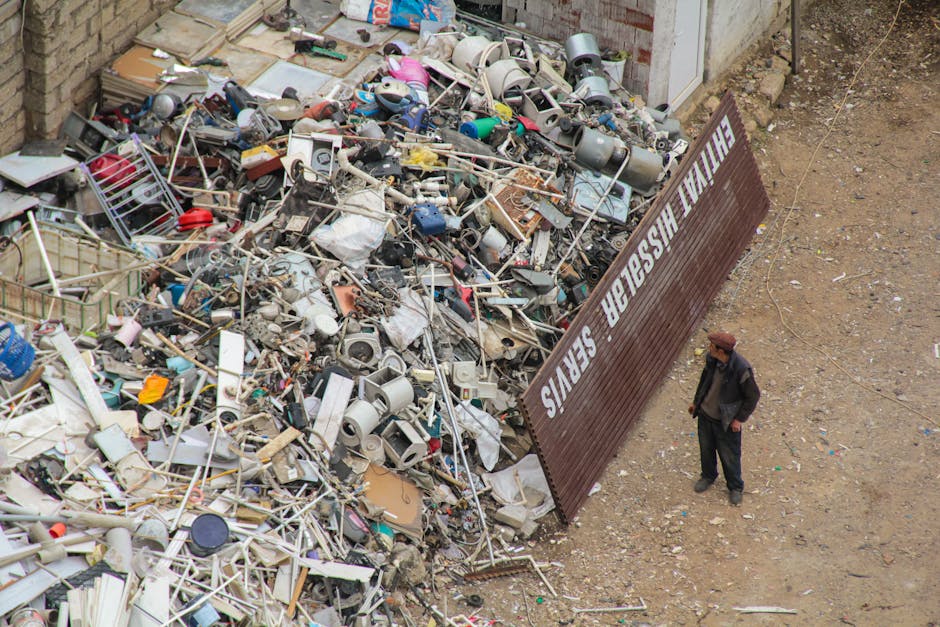
At a practical level, bulky item removal usually follows one of three paths: collection for reuse, collection for recycling, or removal as waste. The right path depends on condition, cleanliness, size, and whether the item can be safely handled and transported. A decent sofa, a working washing machine, or a solid wooden cabinet may still have value. A broken mattress, water-damaged armchair, or cracked glass table top usually does not.
Fees are commonly shaped by a few factors rather than a single flat rule. The main ones are:
- Volume: one item or a full load changes the vehicle space needed.
- Weight: very heavy items may need two people, lifting aids, or extra time.
- Access: stairs, narrow halls, long carries, and no parking nearby can all affect effort.
- Item type: a piano, American-style fridge, or solid wardrobe is a different job from a small bedside cabinet.
- Urgency: same-day or short-notice bookings can cost more.
- End destination: donation, recycling, or disposal routes may involve different handling.
To be fair, many people only realise this once they have already moved half the furniture into the hall. That is usually the point when the room starts to resemble a game of real-life Tetris.
If you are comparing removal support, it can also help to read about the broader service context on removals in Downham and the practical side of furniture removals, especially if a bulky item is part of a larger clear-out. For more urgent situations, same-day removals in Downham may be more suitable when timing matters.
Donation works best when the item is safe, usable, clean, and not likely to cause a problem for the next owner. Recycling is usually the better route where reuse is unrealistic but materials can still be recovered. Disposal is the last resort. Not the first.
Key Benefits and Practical Advantages
A good bulky item removal plan can save more than space. It can reduce stress, protect your back, and stop a half-finished clear-out from hanging over your week. That matters whether you are moving out, refurbishing, handling a probate clearance, or simply trying to get your living room back.
1. Less lifting, less risk
Large items tend to be deceptively awkward. A sofa might not feel impossible until you meet a tight stair turn or realise the feet catch on the runner. Proper removal planning reduces the risk of scratches, slips, and strained muscles. If you are interested in safe lifting mechanics, there is a useful related read on handling heavy loads more safely and another on the basics of lifting with better body mechanics.
2. Better value from items still worth keeping in circulation
Some bulky items still have life left in them. A sofa with a few years left, a bed frame in good condition, or a desk that is still sturdy may be better donated than discarded. That is good for the donor, good for the recipient, and generally better for the environment too.
3. Cleaner move-out and fewer last-minute headaches
If you are vacating a property, especially a flat or rented home, bulky items can become the one thing that ruins an otherwise tidy handover. Pairing removal with moving-out cleaning can make the end of tenancy feel far more manageable. Honestly, it is a relief when the last sofa leg finally disappears through the door.
4. More organised disposal decisions
When people rush, they often throw everything into the same category. But not every item should be treated the same. Some can be reused, some can be recycled, and some need a proper disposal route. Thinking this through early avoids waste and reduces mistakes.
5. A calmer, more predictable day
A structured approach tends to make the whole process feel lighter. You are not just "getting rid of stuff"; you are making deliberate decisions. That shift matters more than people think. It is one of those small things that changes the whole mood of a move.
Who This Is For and When It Makes Sense
Bulky item removals in Downham are useful for a wide range of people, not just those moving house. In practice, the need often falls into one of these situations:
- People moving home: you want fewer items to carry, store, or pay to move.
- Renters ending a tenancy: you need the property clear and presentable.
- Families replacing furniture: the old bed, sofa, or wardrobe needs a new route out.
- Landlords and letting agents: fast clearance helps prepare a property for the next occupant.
- Homeowners decluttering: a spare room, loft, garage, or shed has quietly filled up.
- Office or workspace users: desks, chairs, or filing furniture need removing with minimal disruption.
It also makes sense whenever storage is becoming a problem. If the question is not "should I remove this?" but rather "where on earth would I even keep it?", then the item has probably crossed the line. Sometimes the answer is storage for a short time, and sometimes it is a clear exit plan using storage in Downham as a temporary bridge. Not ideal forever, but useful when the timing is messy.
There are a few moments where it is especially worth acting sooner rather than later. For example, if an item is blocking access, causing a safety risk, or needs to be cleared before surveyors, decorators, or new tenants arrive. If time is tight, a planned move can sometimes be combined with broader help from man and van support in Downham or a flexible man with a van service.
Step-by-Step Guidance
Here is a sensible process to follow. It keeps decisions clear and reduces the chance of backtracking later.
- List each bulky item. Write down what you want removed, including dimensions if possible and whether it is dismantled.
- Check condition. Ask yourself if the item is genuinely reusable, still working, or beyond repair.
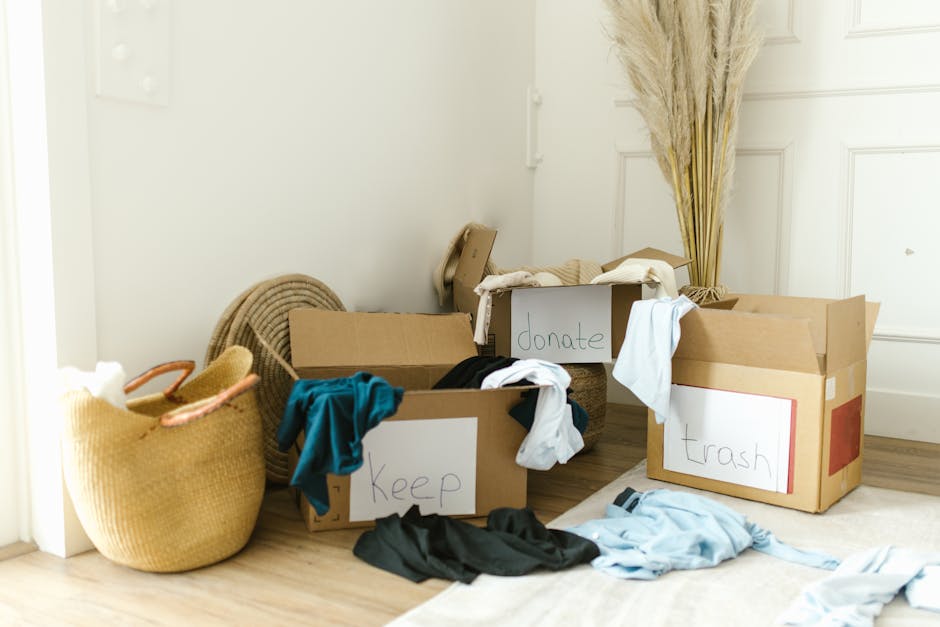
- Separate by route. Put items into three groups: donate, recycle, or remove as waste.
- Measure access. Look at stairs, lifts, door widths, narrow halls, and parking distance.
- Confirm handling needs. Some items need two people, protective covers, or dismantling before they can be moved.
- Decide on timing. Do you need same-day clearance, or can you plan it around a larger move?
- Ask for a quote based on specifics. The more accurate the information, the less chance of an awkward price change later.
- Prepare the item. Empty drawers, disconnect appliances safely, and remove loose parts if appropriate.
- Book the correct route. Donation, recycling, or removal should match the item's condition and urgency.
- Confirm the finish. Make sure the item is either collected, passed on, or ready for the designated disposal route.
A useful habit is to treat the process like packing for a move, only in reverse. If you want a refresher on organising, wrapping, and timing, the guide to packing properly for a move can help you think in the right sequence. The same logic applies: start with the awkward stuff, not the easy stuff.
One small but important point: don't leave donation decisions until the very end. If you do, the item may miss a collection window and then end up being treated as waste by default. That is the sort of thing people regret on a wet Friday afternoon.
Expert Tips for Better Results
After many removals, one thing becomes obvious: the best jobs are the ones that were thought through before anyone touched a sofa. Sounds obvious, but people still skip it.
Tip 1: Don't assume "bulky" means "not reusable"
Condition matters more than size alone. A large item can still be valuable to someone else if it is clean, stable, and working. A small item can still be unsuitable if it is damaged or unsafe. Donation routes are far happier with straightforward, decent-condition pieces than with something half-held together by hope.
Tip 2: Separate items by material when recycling is the goal
If you are recycling, it helps to know what the item is made of. Wood, metal, textiles, foam, and electronics may be handled differently. You do not need to become a materials scientist, thankfully, but a bit of sorting saves time.
Tip 3: Keep screws, brackets, and loose fittings in a labelled bag
This is especially useful for wardrobes, beds, and shelving. It sounds tiny, but small hardware has a habit of vanishing at the worst possible moment. If an item needs dismantling, a labelled bag taped to a larger panel works well.
Tip 4: Protect walls and floors on the way out
In narrow Downham homes and flats, the route matters almost as much as the item. Use blankets, corner guards, or careful padding if needed. One scrape on a painted wall can undo a lot of good planning.
Tip 5: Take photos before collection
This is practical if you are donating, insuring, or simply keeping your records straight. A quick photo also helps if someone else needs to assess whether the item is suitable for reuse.
And a small real-world note: if a sofa is too large to move in one piece, it probably deserves a dismantling conversation before anyone starts pushing. You will save energy, and probably a few words that do not belong in print.
Common Mistakes to Avoid
Most problems with bulky item removals are preventable. The tricky part is that they usually feel minor at first. Here are the big ones.
- Leaving assessment too late: you then discover access issues, missing parts, or a collection route mismatch.
- Mixing donation and waste together: this can make the reusable item unsuitable for passing on.
- Forgetting to measure stair turns or door widths: a classic, and painfully common.
- Booking the wrong type of help: a solo lift plan for a two-person job rarely ends well.
- Not checking whether appliances are disconnected safely: especially relevant for fridges, freezers, and washing machines.
- Assuming all recycling routes are the same: they are not, and some items need specific handling.
- Ignoring property rules: communal buildings, managed blocks, and rented homes may have their own requirements.
Another mistake is treating the fee as the only deciding factor. A cheaper quote that does not include lifting difficulty, access, or proper handling may end up costing more in stress. That is a very modern kind of false economy.
If the item is a sofa, bed, or large mattress, it may also be worth reading related moving guidance such as sofa care and handling tips and how to move a bed and mattress safely. It sounds adjacent because it is. The same handling issues often show up.
Tools, Resources and Recommendations
You do not need a van full of gadgets, but a few simple tools make life much easier. Here is what tends to help in the real world:
- Measuring tape: for checking doorways, lifts, and item dimensions.
- Work gloves: useful for grip and general protection.
- Blankets or furniture covers: help prevent damage during extraction.
- Straps or ties: helpful if an item needs securing after dismantling.
- Marker pen and tape: for labelling parts, screws, and donor-ready items.
- Basic screwdriver or Allen key set: often needed for beds and flat-pack furniture.
On the information side, a few site pages can also help you plan around the removal itself. For example, pricing and quotes is useful when you want to understand how jobs are priced, while recycling and sustainability supports the broader "what should happen to this item?" decision. If you want reassurance on process and standards, insurance and safety is worth checking too.
For a fuller view of the service range, the services overview is handy. And if your bulky item removal is part of a bigger move, the practical pages on house removals and flat removals can help you coordinate everything in one go.
Law, Compliance, Standards, or Best Practice
Bulky item removal is not just a logistics problem. It also touches safety, waste handling, and responsible disposal. In the UK, you are generally expected to make sure waste is handed to a legitimate, appropriate collector and not dumped or passed on irresponsibly. For households, that usually means checking that the item is going to a proper reuse, recycling, or disposal route rather than being abandoned somewhere "for someone else to sort out".
Best practice is straightforward, even if the rules behind it can feel a bit dull:
- Be honest about item condition. Do not present damaged goods as reusable.
- Use safe lifting methods. If the item is too awkward, get help.
- Keep access routes clear. This protects both people and property.
- Dispose of electricals properly. Fridges, freezers, and similar items need the right handling.
- Respect building rules. Some flats and managed blocks have collection windows or access restrictions.
Where furniture or appliances are concerned, responsible handling also helps reduce waste. If your item can be repaired, reused, or passed on, that is usually better than rushing straight to disposal. For some readers, this may be the point where a simple donation saves a perfectly good item from the skip. For others, recycling is the more realistic and honest route. Both are better than pretending a broken item has suddenly become vintage.
Operationally, good practice also means clear communication, transparent pricing, and sensible risk management. Those things matter whether you are clearing a single item or coordinating a larger removal job. You can also review health and safety guidance, the company's terms and conditions, and how complaints are handled if you want a better sense of service standards and accountability.
Options, Methods, or Comparison Table
Choosing between donation, recycling, and removal comes down to condition, effort, timing, and end use. This table gives a simple side-by-side view.
| Option | Best for | Typical pros | Typical drawbacks |
|---|---|---|---|
| Donate | Usable, clean, safe items | Extends item life; reduces waste; often feels the most rewarding | May require stricter condition checks; not every item is accepted |
| Recycle | Items beyond reuse but still recoverable | Better for the environment than disposal; useful for mixed materials | Some items need sorting or special handling |
| Dispose | Broken, unsafe, or unusable items | Fastest for truly unsuitable items | Least sustainable; may involve higher effort or stricter rules |
| Removal service | Heavy, awkward, or time-sensitive clear-outs | Saves lifting, saves time, helps with access challenges | Cost varies based on size, access, and urgency |
In many real situations, the answer is not one option only. A single job might include one sofa for donation, a broken coffee table for recycling, and a damaged mattress for removal. Mixed outcomes are normal. That is actually the rule, not the exception.
If you are moving out of a flat and juggling several jobs at once, it may also help to think about access, lifts, and stairwells in advance. The guide on flats, stairs, and lift booking tips is a good example of the kind of planning that avoids last-minute chaos. If your move is very time-sensitive, what to expect from urgent same-day removals can also help you understand the pace and pressure of short-notice jobs.
Case Study or Real-World Example
Picture a fairly typical Downham scenario. A household is getting ready to move from a first-floor flat. They have a two-seat sofa, a mattress, an old wardrobe, and a table that has seen better days. At first glance, it feels like one job. In practice, it is four different decisions.
The sofa is clean and structurally sound, so it could be donated if the collecting organisation accepts it. The mattress is worn and not ideal for reuse, so recycling or removal is more realistic. The wardrobe is large but still sturdy; if it can be dismantled, it may be suitable for resale or donation. The table, however, has a wobbly leg and surface damage, so it is probably heading to recycling or disposal.
Now add the real-life bits: a narrow stairwell, one parking space that is never quite where you want it, and a deadline because the keys are being handed over at lunchtime. Suddenly, clear choices save time. The household in this example would likely benefit from grouping the job so the reusable items are separated early, the dismantling is done before collection day, and the awkward pieces are matched with the right removal route.
That is the quiet advantage of thinking ahead. You do not just "get rid" of things. You reduce stress, protect the property, and keep the process moving. Nice and tidy, or at least tidy enough.
Practical Checklist
Use this checklist before you book or begin:
- List every bulky item you want removed.
- Check whether each item is reusable, recyclable, or waste.
- Measure doorways, stairs, lifts, and access points.
- Confirm whether items need dismantling.
- Empty drawers, cupboards, and appliance contents.
- Label reusable items clearly if donating.
- Keep screws and fittings in marked bags.
- Protect floors, corners, and walls on the removal route.
- Decide whether you need same-day help or planned collection.
- Ask for pricing based on item type, access, and volume.
- Review safety guidance if the item is particularly heavy or awkward.
- Make sure the chosen route matches the item's condition honestly.
Practical takeaway: if you can answer "where is it going?", "how will it leave?", and "who is carrying it?" before collection day, you are already ahead of most people.
Conclusion
Bulky item removals in Downham are easiest when you treat them as a decision tree, not a bin day afterthought. Start by checking condition, then decide whether the item should be donated, recycled, or removed as waste. From there, fees become easier to understand because the job is clearer, the access is known, and the handling needs are less of a surprise.
If there is one thing to remember, it is this: the best route is the one that fits the item, your timetable, and your space. Sometimes that means donation. Sometimes recycling. Sometimes it simply means getting proper help so you do not wreck your back trying to be heroic for no reason. Truth be told, there is nothing noble about fighting a wardrobe down the stairs on your own.
Use the checklist, compare the options honestly, and choose the path that leaves you with less stress and a cleaner finish. That way, the space feels lighter and the decision does too.
Get a free quote today and see how much you can save.
Frequently Asked Questions
How do I know whether a bulky item should be donated or recycled?
Use condition as your first filter. If the item is clean, safe, and still usable, donation may be appropriate. If it is damaged, broken, or not fit for reuse, recycling is usually the better next step.
What affects the fee for bulky item removals in Downham?
The main factors are size, weight, access, distance to carry the item, urgency, and whether the item needs dismantling. One awkward item in a top-floor flat can take more effort than several easier pieces on the ground floor.
Can I put all bulky items in one booking?
Usually yes, as long as the items are described clearly. A mixed booking can work well if the provider knows what is reusable, recyclable, or waste before arriving.
What if my sofa is too big to fit through the door?
It may need dismantling before removal. In some cases, removing feet, arms, or sections is enough. If the item was assembled in the room, it may need to be taken apart to leave the room safely.
Is same-day bulky item removal available in Downham?
It can be, depending on availability and the size of the job. Same-day help is often useful when a move is running late, a tenancy is ending, or an item suddenly becomes urgent.
Do I need to prepare items before collection?
Yes, ideally. Empty drawers, disconnect appliances safely, remove personal items, and label anything being donated. Basic preparation makes the collection faster and usually smoother.
What bulky items are hardest to remove?
Large wardrobes, sofas, mattresses, pianos, and American-style fridges are often more difficult because they are heavy, awkward, or sensitive to damage. Access problems can make any of them harder still.
Can damaged furniture still be recycled?
Often yes, although it depends on the material and condition. A damaged item may still have recyclable components, but it may not be suitable for donation or reuse.
Should I move bulky items myself or book help?
If the item is heavy, awkward, or needs carrying down stairs, booking help is usually the safer choice. A small job can become risky very quickly if the route is tight or the item is not well balanced.
What should I do with bulky items before a house move?
Decide early what is worth taking, what should be sold or donated, and what should be removed. That helps reduce the load on moving day and can make your new place feel more organised from the start.
Are there any special considerations for flats in Downham?
Yes. Lifts, stairs, shared entrances, parking, and building rules can all affect how removal works. In flats, planning access is often just as important as the item itself.
How can I avoid extra costs on bulky item removals?
Give accurate details upfront, measure access properly, prepare the item in advance, and be clear about whether it is being donated, recycled, or removed as waste. Good information usually means fewer surprises.