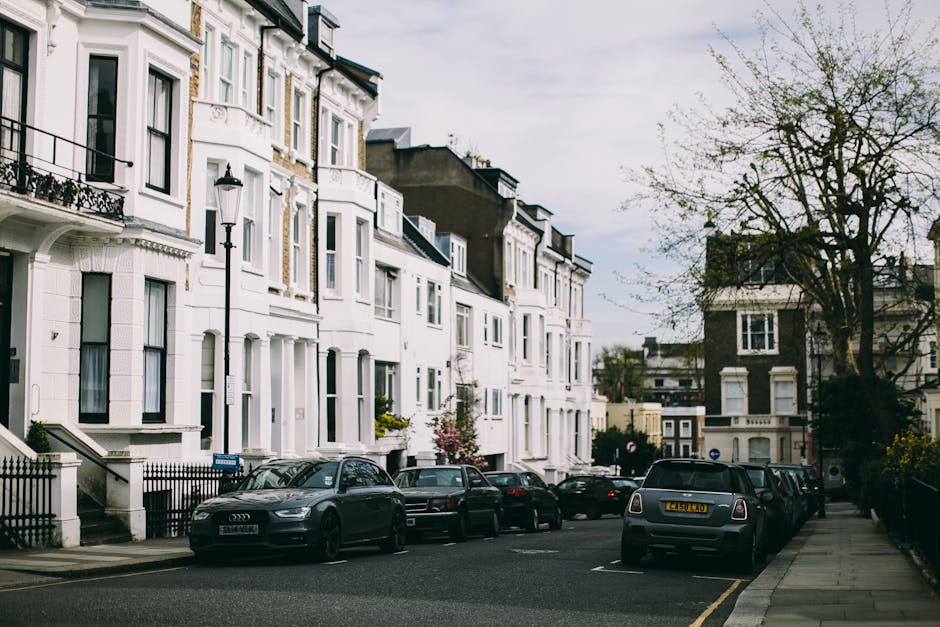
Downham Estate (BR1) moving guide: streets & parking tips
Posted on 27/04/2026
Downham Estate (BR1) moving guide: streets & parking tips
Moving in or out of Downham Estate in BR1 can feel straightforward on paper, then suddenly become a puzzle on the day itself. Narrow streets, parked cars, turning space, flats with shared entrances, and the pressure of getting everything done quickly can turn a simple removal into a slow crawl. This guide to Downham Estate (BR1) moving guide: streets & parking tips focuses on the practical details that make the biggest difference: where access tends to be tight, how to plan parking, what to prepare before the van arrives, and how to avoid the small mistakes that cause big delays.
If you want the move to feel calm rather than chaotic, the secret is planning around the street layout, not just the boxes. That means thinking about van size, loading distance, stair access, timing, and whether you will need help with packing or bulky furniture. For broader move preparation, you may also find our stress-free house moving advice and packing step-by-step guide useful alongside this local guide.
Below, you will find a clear breakdown of how to move more efficiently around the estate, what to do if parking is awkward, and how to keep your removals day on track without unnecessary hassle.
Why Downham Estate moving logistics matter
Downham Estate has the kind of local layout that rewards planning. In many residential areas, the biggest moving delays are not caused by heavy lifting; they come from parking in the wrong place, underestimating walking distance from van to front door, or discovering too late that the access point is shared with neighbours, bins, or parked cars. On a normal weekday, that might be a mild inconvenience. On moving day, it can become a real problem.
Why does that matter so much? Because every extra minute spent repositioning the van, waiting for a space, or carrying a wardrobe around a corner adds strain, cost, and stress. For flats and maisonettes especially, the street outside can be just as important as the hallway inside. If you are moving furniture, you may want to read our furniture removals in Downham page for a better sense of how bulky items are handled locally.
There is also a simple comfort factor. When the van is parked sensibly and the route from property to vehicle is clear, everything feels more controlled. Boxes move faster. Fragile items are less likely to be dropped. The team can focus on loading properly instead of working around avoidable obstacles. In practical terms, good street and parking planning often saves more time than another hour of packing ever could.
Expert summary: In local moves, access is rarely the glamorous part - but it is usually the part that decides whether the day runs smoothly.
How Downham Estate moving logistics works
The basic approach is simple: work out where the van can stop, how long it can stay there, and how far everything must travel between the home and the vehicle. The reality is a little more nuanced. A moving team may be able to use a larger van for a faster load, but only if the street width, turning room, and parking position make sense. Sometimes a smaller van is the smarter choice because it can park closer to the property and reduce carrying distance.
The best results usually come from matching the access plan to the property type. A ground-floor home with decent frontage will need a different setup from a top-floor flat, especially if the building has shared access or limited space outside. If you are moving from a flat, it can help to review flat removals in Downham so you know what support is available for stairwells, shared entrances, and tighter loading conditions.
For a typical estate move, the process often looks like this:
- Check the exact property access and street layout before the move date.
- Decide what size van is realistic for the road and the load.
- Prepare the furniture and boxes so they are easy to carry in one go.
- Keep an eye on parking pressure, neighbours, and delivery traffic.
- Load the van in a sensible order so the heaviest items go in first.
The estate itself may not be the issue. Often it is the mix of residential parking, everyday traffic, and limited waiting space that creates the pinch point. That is why a quick recce, even a day or two before the move, can be surprisingly valuable.
Key benefits and practical advantages
Planning streets and parking properly gives you a set of practical advantages that are easy to feel on the day. You do not need complicated systems. You need fewer surprises.
- Shorter loading time: A van parked closer to the door means fewer trips and less wasted energy.
- Lower risk of damage: Shorter carry distances reduce knocks, scrapes, and drops.
- Better neighbour relations: A tidy, well-managed move is less disruptive to everyone else on the street.
- Less physical strain: Carrying heavy items across a long route can quickly wear people out.
- More predictable timing: When parking is sorted, the entire schedule becomes easier to trust.
There is also a commercial advantage if you are hiring help. Removal services are usually most efficient when the team can work to a planned access route. That can improve value for money, especially if your move involves multiple large items or time-sensitive logistics. If you are comparing support options, the man and van Downham service is a sensible starting point for smaller or medium-sized moves, while house removals in Downham may suit larger household relocations.
Another advantage is peace of mind. Truth be told, that matters more than people expect. If you know where the van is going, how long it can remain there, and which items will be loaded first, the move stops feeling like guesswork.
Who this is for and when it makes sense
This guide is useful for anyone moving within or around Downham Estate, but it is especially relevant if your move includes one or more of the following:
- a flat, maisonette, or property with shared access
- limited on-street parking outside the building
- bulky furniture that needs careful handling
- a narrow timetable, such as a completion day or tenancy handover
- multiple stops, storage drop-offs, or same-day unloading
Students, first-time movers, families, landlords, and small business owners all benefit from the same core idea: access planning comes first. If you are in a hurry, our same-day removals in Downham page may be relevant. If you are moving a small number of items and do not need a full removals team, a removal van in Downham can be the more practical fit.
This is also the right guide for anyone trying to avoid the common trap of "we will sort the parking when we get there." That approach works until it does not. Then everyone stands around, the clock keeps moving, and the sofa starts looking heavier than it did ten minutes ago.
Step-by-step guidance
Use this sequence to keep your move organised from the first planning stage to the final unload.
1. Walk the route before moving day
Check how the van will approach the property, where it might safely stop, and whether there are any awkward bends, bollards, low branches, or tight turns. The purpose is not to overcomplicate things. It is to spot friction points before they matter.
2. Decide what must be close to the entrance
Place large, heavy, or fragile items near the door before the team arrives. That way, loading starts with the most awkward items, rather than leaving them until the end when energy is lower. If you need help with the preparation side, our decluttering before you move guide is a useful companion piece.
3. Reserve or manage parking where possible
In some cases, your best option is to keep a space free with your own vehicle, a neighbour's permission, or a pre-arranged setup. In other cases, it is enough to understand the street rhythm and choose a quieter arrival time. What matters is being realistic about the space available.
4. Pack for fast handling, not just for storage
Boxes should be labelled clearly, sealed properly, and sized sensibly. Heavy items should not all go into one huge box. That is a classic moving-day mistake. For practical help, see packing and boxes in Downham and packing perfectly for a move.
5. Protect access points inside and outside
Use door protectors, blankets, and floor coverings if needed, especially if you are carrying furniture through communal areas. This reduces the chance of scuffs and helps you avoid awkward conversations with neighbours or landlords later.
6. Load in a logical order
Heavy, sturdy items should usually go in first, followed by medium-weight boxes and then lighter, more delicate pieces. This is one reason professional movers focus so much on sequence. It is not just about strength; it is about making the van space work properly.
7. Keep a final essentials bag separate
Documents, keys, chargers, tea supplies, medication, and basic toiletries should be kept with you. Nobody wants to dig through five stacked boxes to find a kettle lead at 9 p.m.
Expert tips for better results
A few small habits can make the day noticeably easier.
- Arrive early enough to observe street conditions: Parking that looks easy at 8 a.m. may look very different by midday.
- Think in metres, not just addresses: A van one driveway closer can save a surprising amount of carrying.
- Use smaller boxes for books and dense items: They are easier to lift safely and less likely to burst.
- Keep screws and fittings together: Tape hardware to the furniture or store it in labelled bags.
- Do not overfill wardrobes or drawers: It makes furniture harder to carry and increases strain.
If your move includes awkward furniture, a separate plan for those items is wise. For example, piano moves need specialist handling, and our piano removals in Downham page explains why a careful approach matters. Likewise, if you are moving a sofa for storage or relocation, it is worth reading about long-term sofa care so the fabric and frame stay in good condition.
A small but useful tip: take a few photos of parking space, access points, and any tricky corners before moving day. It helps everyone visualise the approach and can be surprisingly reassuring when timing is tight.
![A man with dark curly hair and a beard is inside a bright, spacious room with white walls and wooden flooring, holding a cardboard box with red packing tape in his right hand. He is wearing a navy blue t-shirt with a light blue logo on the chest and dark trousers, standing beside two additional cardboard boxes, one on the floor and one being moved onto it, indicating a home relocation or furniture transport process. The room features a large arched window allowing natural light to illuminate the space, with no furniture or other objects visible, suggesting an early stage of packing or moving preparations. The overall scene reflects a professional removal or moving service environment, with the man representing a member of [COMPANY_NAME] involved in packing, loading, or organizing items for a house move, aligned with the context of the Downham Estate (BR1) moving guide on [PAGE_TITLE].](/pub/blogphoto/downham-estate-br1-moving-guide-streets-parking-tips2.jpg)
Common mistakes to avoid
Most moving problems are preventable. The frustrating part is that they are usually preventable in simple ways.
- Assuming the van can stop anywhere: Some streets allow little room for error, especially when cars are already parked.
- Ignoring the real carrying distance: A short street can still mean a long walk if the property entrance is set back.
- Leaving bulky items until last: That is when fatigue and time pressure are at their highest.
- Packing everything into oversized boxes: It feels efficient until the box is too heavy to move safely.
- Not preparing for weather: Rain, wind, and slippery paths make loading slower and more awkward.
- Forgetting building rules or neighbour considerations: Even in residential areas, a little courtesy goes a long way.
One of the most common issues in local moves is the assumption that "parking will sort itself out." Sometimes it does. Often it does not. When it does not, the knock-on effect is immediate: longer carry times, more trips, more risk, and a much less relaxed move.
Another avoidable mistake is failing to declutter first. If you are carrying items you no longer need, you are paying to move clutter. That is why our decluttering advice and moving-out cleaning tips are worth using together.
Tools, resources and recommendations
You do not need a huge kit, but a few practical items can make the day much smoother.
- Folding trolley or sack truck: Useful for boxes, small appliances, and repeated trips.
- Furniture blankets and straps: Help protect surfaces and keep items stable in transit.
- Labels and marker pens: Save time when unloading and reduce confusion later.
- Protective gloves: Improve grip and help with rough or awkward items.
- Floor protection: Handy for communal entrances, hallways, and newly cleaned surfaces.
For packing supplies and materials, the packing and boxes service can be a practical option. For storage needs between move-out and move-in, consider storage in Downham. That can be especially helpful if you are dealing with dates that do not line up cleanly.
If you are planning a larger or more complex move, our general services overview and removals in Downham pages give a clearer view of the available support. For company background and service expectations, the about us page is a sensible place to start.
Law, compliance, standards and best practice
Most domestic moves do not involve complex legal issues, but a few standards and best-practice considerations still matter. For example, you should respect local parking restrictions, avoid obstructing driveways or emergency access, and make sure any parking arrangement is practical and courteous. If you are unsure about a specific road or bay, it is safer to verify the situation before moving day rather than assume access will be fine.
Health and safety also matters. Heavy lifting should be done with care, and anything unusually awkward, bulky, or valuable may need specialist handling. That is particularly true for items like pianos, very heavy wardrobes, and large appliances. Our health and safety policy and insurance and safety pages explain the approach to risk and protection more fully.
On the operational side, good practice means clear communication, sensible scheduling, and enough time to load safely. If a mover says a certain access setup is not ideal, that is usually worth listening to. It is not overcautious; it is experience. For larger commercial moves, office removals in Downham may need even tighter coordination because time, access, and disruption all matter at once.
You may also want reassurance around service terms, payments, and conduct. Those are covered in our terms and conditions, payment and security, privacy policy, cookie policy, and accessibility statement. If you ever need to raise an issue, there is also a complaints procedure.
Options, methods, or comparison table
Different move types call for different access strategies. The table below gives a simple, practical comparison.
| Approach | Best for | Parking/access needs | Main advantage | Watch out for |
|---|---|---|---|---|
| Small man and van | Singles, students, a few rooms of items | Flexible, often easier on tighter streets | Quick, practical, cost-conscious | May need multiple trips if load is larger than expected |
| House removal team | Full homes, family moves, heavier loads | Needs more careful parking and route planning | Better handling of larger volumes | Slower if access is restricted |
| Flat move with shared access | Flats, maisonettes, upper-floor properties | Requires attention to entrances, stairs, and neighbours | Can be efficient with the right setup | Lift/stair access and loading distance can add time |
| Move with storage stop | Gap between completion dates or downsizing | Needs planning for two or more unloading points | Reduces pressure when dates do not align | More handling and a more detailed inventory |
If you are unsure which approach suits your move, a smaller local job may be handled well by man with a van in Downham, while bigger households are often better served by a fuller house removals service. For some customers, especially those with limited time, student removals are a straightforward and cost-aware option.
Case study or real-world example
Consider a typical move from a first-floor flat on a residential street in Downham Estate. The resident has a sofa, a bed frame, a mattress, three chest-sized boxes, a small fridge-freezer, and several kitchen boxes. On paper, it looks manageable. But if the van cannot stop near the entrance, the whole process becomes slower and more tiring.
In a well-planned version of this move, the resident checks the street the day before, clears the hallway, and places the heavy items closest to the exit. The mover arrives at a time when the road is quieter, the van stops as close as practical, and the team starts with the sofa and mattress while the path is clear. Boxes are grouped by room, which means the unload is tidy as well as fast.
Now compare that with a rushed version. The van arrives late, the nearest spaces are occupied, the boxes have no labels, and the mattress is still tucked behind lighter items. Everyone ends up doing extra walking and extra lifting, which adds time without adding value. The move still gets done, but it feels harder than it needed to be.
That difference is the entire point of this guide. Good moving outcomes are rarely about luck. They are usually about small decisions made early.
Practical checklist
Use this checklist to keep your Downham Estate move under control.
- Confirm the moving date and access time.
- Walk the street and identify the most realistic van stopping point.
- Check for any likely parking pressure from neighbours, deliveries, or school traffic.
- Measure larger items if you suspect tight corners or stair turns.
- Declutter before packing so you are not paying to move unwanted items.
- Pack fragile items securely and label them clearly.
- Keep heavy boxes small enough to lift safely.
- Prepare floor and door protection if needed.
- Set aside essentials you will need on the first night.
- Confirm whether you need help with storage, bulky furniture, or same-day timing.
- Keep contact details and keys easily accessible.
- Leave a little buffer time for parking or access changes.
If you want help with the prep stage, our guides on cleaning before moving out and moving beds and mattresses can save you from avoidable last-minute panic.
Conclusion
Downham Estate moves are usually most successful when the street plan is treated as part of the move, not an afterthought. Parking, access, carrying distance, and van size all affect how quickly and safely the day unfolds. Get those elements right, and the rest of the job becomes much easier.
Whether you are moving a flat, a full house, or just a few bulky items, the core principles stay the same: prepare early, keep access clear, choose the right vehicle, and avoid assuming the street will magically cooperate. It rarely does, but with a bit of planning, it can still work very well.
If you are comparing services or need support with a local move, start with the most relevant page for your situation and build from there. A calm move is usually the result of a sensible plan, not a heroic effort on the day.
Get a free quote today and see how much you can save.