Downham man and van booking mistakes to avoid
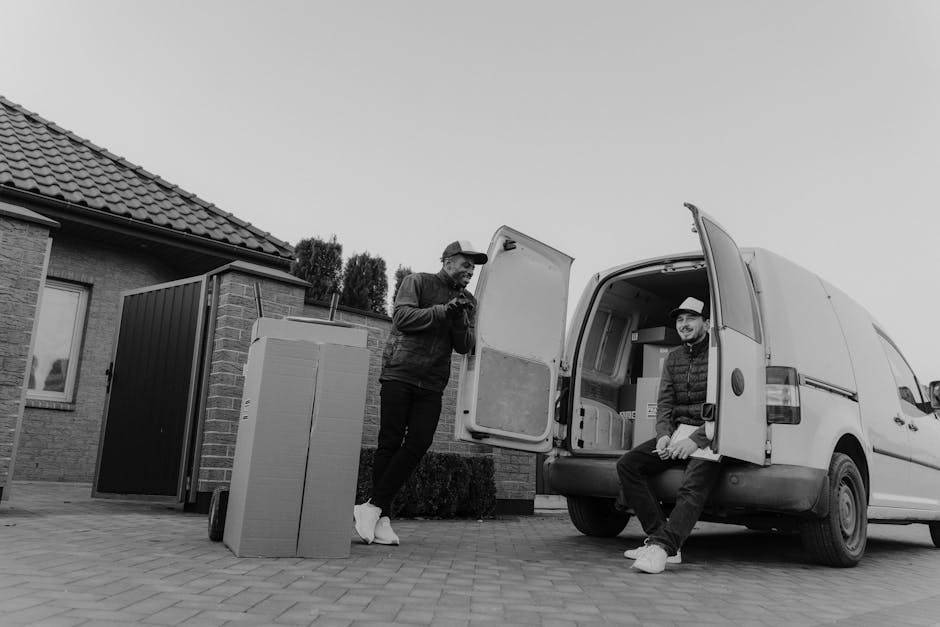
Booking a man and van sounds simple enough. A quick quote, a date in the diary, and job done. But in real life, the small details are where things go sideways. If you are moving a sofa, clearing a flat, or shifting a few office items across Downham, the wrong booking choice can mean delays, hidden costs, awkward parking problems, or a van that is simply too small for the job. That is why knowing the most common Downham man and van booking mistakes to avoid matters before you commit.
This guide is designed to help you book more confidently, avoid the usual headaches, and understand what a good local removal service should be doing behind the scenes. It also points you towards useful pages such as pricing and quotes, insurance and safety, and terms and conditions so you can check the practical details before moving day. Simple enough. But, let's face it, the devil is in the detail.
- Why Downham booking mistakes matter
- How a man and van booking usually works
- Key benefits of getting the booking right
- Who this guide is for
- Step-by-step guidance
- Expert tips for better results
- Common mistakes to avoid
- Tools, resources and recommendations
- Law, compliance and best practice
- Options and comparison table
- Case study example
- Practical checklist
- Conclusion
- Frequently asked questions
Why Downham man and van booking mistakes to avoid Matters
A man and van booking is often chosen because it feels flexible, affordable, and less formal than a full-scale removal company. That flexibility is useful, but it also means the customer needs to be clear about what is being moved, when, where, and how. If you get any of that wrong, the whole move can become harder than it needed to be.
In Downham, as in much of London, practical constraints can matter just as much as the move itself. Narrow roads, limited waiting space, busy stairwells, flats with awkward access, and parking restrictions all add pressure. A booking mistake that seems minor on a phone call can become a real problem when the driver arrives and there is nowhere safe to stop. You do not want to be staring at a van full of furniture while someone says, "I thought that would fit."
There is also a trust angle. A clear booking process helps you understand what is included, what is extra, and what happens if plans change. That matters whether you are using a simple man and van service for a few boxes or arranging something more involved like home moves or house removals.
Key takeaway: Most booking problems are not caused by the move itself. They usually come from poor information, rushed decisions, or assumptions that never got checked in advance.
How Downham man and van booking mistakes to avoid Works
A proper man and van booking usually starts with a quick estimate based on the size of the load, the distance, access at both ends, and the time needed. From there, the service may ask follow-up questions about stairs, lifts, fragile items, long carries, parking, or whether dismantling is required. That is not being fussy. It is how a provider avoids underquoting and how you avoid surprises.
The process normally looks like this:
- You describe the move in plain English.
- The provider checks volume, access, timing, and special items.
- A quote is given, often with an hourly rate or a fixed price depending on the job.
- You confirm the date, start time, and any instructions.
- On the day, the team arrives, loads safely, transports the items, and unloads at the destination.
The mistakes happen when any of those steps are rushed. For example, a customer might forget that a wardrobe does not fit down the hallway, or assume a quote includes waiting time while keys are collected. Another common issue is failing to tell the provider about a second pickup point. That sounds small, but it can change the route, timing, and cost quite a bit.
If you want a clearer picture of service scope, pages like removal services, removal van, and moving van are useful to review because they help you compare different levels of support.
Key Benefits and Practical Advantages
When a booking is done properly, the benefits are immediate. You save time, reduce stress, and lower the risk of damage. That is the obvious part. The less obvious part is that good booking habits also help you choose the right service type in the first place.
- More accurate pricing: The better the information, the closer the estimate will be to the final bill.
- Faster loading and unloading: Clear access details mean the crew can prepare properly.
- Less damage risk: Knowing about stairs, delicate items, or bulky furniture helps the team plan.
- Better scheduling: You are less likely to face delays if timing is realistic.
- Less stress on move day: It is a lot easier when no one is improvising in the rain with a sofa at 8:15 in the morning.
There is also an efficiency benefit. If you compare options carefully, you might realise that a simpler man and van service is enough. Or you may decide you actually need a fuller team such as movers or even house movers. Getting that decision right saves money and avoids awkward mid-job compromises.
For businesses, the same logic applies. A small office move that seems manageable can become chaotic without the right planning. In that case, looking at office removals or commercial moves may be the wiser option.
Who This Is For and When It Makes Sense
This guide is for anyone booking a local move in or around Downham and trying not to make a costly mistake. That includes first-time renters, homeowners, landlords, students, small businesses, and people who just need a large item collected without drama.
It is especially relevant if you are:
- moving a one- or two-bedroom property with limited access
- transporting furniture, appliances, or boxes between addresses
- arranging a last-minute move and trying to keep costs under control
- comparing a local man and van with a larger removal company
- booking for a business delivery, office clearance, or internal relocation
If you are unsure whether your move needs a van-only service or something broader, checking pages like removals near me and removals can help you see the wider service picture. Sometimes people think they are booking "just a van" when they really need handling support, loading help, or more room than expected. It happens all the time.
Truth be told, the people who benefit most from this advice are the ones who feel they do not have time to overthink it. Those are exactly the bookings that deserve a bit more care.
Step-by-Step Guidance
Here is a practical way to book without tripping over the usual problems.
1. Make a proper inventory
Write down what is moving, not just the headline items. Include boxes, mirrors, dismantled furniture, garden bits, TVs, and anything awkward like a treadmill or a large corner sofa. If you can, group items by room. That makes quoting easier and often reveals that the move is bigger than you first thought.
2. Check access at both addresses
Look at stairs, lifts, door widths, tight corners, parking, and whether there is a long carry from the van to the front door. A two-minute check outside the property can save a lot of confusion later. If parking is tricky, mention it early rather than hoping for the best. Hope is not a plan, as they say.
3. Be clear about timing
Say when keys will be available, when the property must be cleared, and whether you are dealing with a school run, office opening, or building restrictions. Rushed timings often lead to added waiting time. If there is a gap between loading and unloading, mention that too.
4. Ask what the quote includes
Does it include labour, fuel, travel, loading, unloading, or waiting time? Is there a minimum charge? What happens if the job takes longer? Checking the details on pricing and quotes can help you ask the right questions before booking.
5. Confirm any fragile or high-value items
Glass, antiques, artwork, musical instruments, and certain electronics should be flagged. Even if a provider can move them, they may need extra padding, additional manpower, or a different loading order.
6. Review the terms before you pay
It sounds dull. It really is worth doing though. Read the relevant booking conditions so you understand cancellation, delays, damage handling, and payment timing. The terms and conditions page exists for a reason.
7. Keep the contact details handy
On the day, make sure you can speak to the driver or office quickly if anything changes. A locked gate or a delivery delay is much easier to handle when someone picks up the phone.
Expert Tips for Better Results
After you have seen a few moves, certain patterns stand out. The people who have the smoothest experience are rarely the ones with the fanciest plan. They are the ones who communicate clearly and make realistic assumptions.
- Take photos of bulky items. A quick photo of a sofa, wardrobe, or awkward stairwell often helps more than a long explanation.
- Measure the obvious stuff. Door frames, stair widths, and larger furniture dimensions can prevent last-minute surprises.
- Pack by priority, not just by room. Keep essentials separate: kettle, chargers, documents, medication, and cleaning supplies.
- Book with a small buffer. If you need everything done by 2 p.m., do not book the exact latest possible slot. Leave breathing room.
- Ask about dismantling and reassembly. Not every van job includes it. Do not assume.
One little thing many people miss: if your move involves multiple stops, tell the provider in the first message. It keeps the quote honest and avoids the awkward "oh, and one more address" moment when the van is already loaded. Nobody loves that moment.
If you are moving office kit, computers, or filing cabinets, it may also help to read more about office relocation services and office removals. The planning questions are a bit different from a house move, and rightly so.
Common Mistakes to Avoid
Here are the big ones. These are the booking errors that tend to cost people time, money, or both.
Underestimating the load
This is probably the classic mistake. People count the large furniture, forget the loose items, and then discover they have far more to move than expected. It is not just about volume either; weight matters too. Ten boxes of books can be far more awkward than a few lightweight bags.
Ignoring access problems
A property with no lift, a steep staircase, a basement flat, or awkward parking can change the whole move. If the quote is based on simple roadside loading and you need a long carry, costs may rise. Better to say so early.
Booking on price alone
Cheap is not always cheap. If a quote seems unusually low, ask what is excluded. It may not cover waiting time, extra labour, stairs, or a second trip. Comparing only the headline number is a bit like buying shoes without checking the size.
Not checking insurance
You should always know how the provider handles damage, liability, and insurance cover. This is especially important for fragile or valuable items. The insurance and safety page is the kind of thing sensible customers read before they commit.
Leaving packing to the last minute
Half-packed boxes are a headache. They slow loading down, increase breakage risk, and often create an extra mess in the van. If you need help, packing and unpacking services can be worth considering.
Forgetting cancellation or change rules
Plans change. Schools run late, keys are delayed, and landlords sometimes reschedule inspections. Know what happens if you need to move the booking. This is where the small print suddenly becomes very relevant.
Not telling the provider about awkward items
Items like pianos, large wardrobes, American-style fridges, and gym equipment are not "normal" in the sense of a standard quick van job. They may need more time, more hands, or different handling. If in doubt, ask before booking rather than after the van has turned up.
Tools, Resources and Recommendations
You do not need fancy software to book well. A notebook, a measuring tape, and a phone camera usually do the trick. Still, a few simple tools make the process much easier.
- Inventory list: a simple room-by-room list in your notes app.
- Measuring tape: useful for wardrobes, sofas, mattresses, and access points.
- Phone photos: especially helpful for parking, stairs, and bulky items.
- Calendar reminders: for deposit dates, key collection, and move-day timing.
- Labelled boxes: to speed up loading and unloading.
For preparation and planning, it is also sensible to review service pages that match your move type. If you are moving furniture only, the furniture pick up page may be more relevant than a full removal package. If you are moving a whole household, then house removals or even house removalists may be a better fit.
And if you are still comparing service levels, removal company and removal companies pages can help frame the difference between a flexible man and van hire and a larger-scale operation.
Law, Compliance, Standards, or Best Practice
For most customers, the main concern is not legal theory. It is whether the provider is operating safely, fairly, and transparently. In the UK, best practice in removals and transport usually means clear pricing, honest communication, sensible loading methods, and appropriate insurance arrangements. If a company says it is covered, it should be able to explain what that means in plain English.
Health and safety also matters. Moving heavy furniture is physical work, and safe lifting, proper loading, and careful route planning are not optional extras. If you are checking a provider's standards, the health and safety policy page is useful reading. It gives you a sense of whether the business treats the job responsibly or just wings it.
Payment security is another sensible area to check. You want to know how payment is taken, when it is due, and what happens if anything changes. A clear payment and security page helps build confidence, especially if you are paying a deposit or booking in advance.
Finally, trust signals matter. Pages such as about us, privacy policy, and recycling and sustainability are not just formalities. They show how a business handles its responsibilities and how much care it puts into the customer experience.
Options, Methods, or Comparison Table
If you are unsure which service level you need, the table below gives a straightforward comparison. It is not about "best" in the abstract. It is about fit.
| Option | Best for | Main risk if booked badly | What to check first |
|---|---|---|---|
| Man and van | Small moves, single items, mixed loads | Van too small, extra trips, time overrun | Load size, access, waiting time |
| Moving van | Moderate loads with simple access | Packing inefficiency, underused space | Furniture dimensions, box count |
| Removal van / removals van | Household items and regular domestic moves | Assuming it includes full labour or packing | Labour included, insurance, service scope |
| Removal company | Larger or more structured moves | Paying for more than you need | What is included, whether assembly is covered |
| Office removals | Business moves, equipment, desks, files | Downtime, missed timings, fragile item issues | Access, schedule, IT handling, packing support |
This comparison is the simplest way to avoid overbooking or underbooking. And honestly, both can sting. Too small means stress; too big means wasted money.
Case Study or Real-World Example
Here is a realistic example. A tenant in Downham books a man and van for a one-bed flat move on a Friday morning. They say it is "just a few things": a bed frame, mattress, two bookcases, a desk, 14 boxes, and a sofa. On the day, they also need to clear a hallway cabinet, three bin bags of miscellaneous items, and a mirror they had completely forgotten about. Oh, and parking near the building is tighter than expected.
If the provider was not told about the extra items or the awkward parking, the job can quickly become slower and more expensive than planned. The driver may need to wait for access, walk further than expected, or make an extra load. None of that is dramatic, but it all adds up.
Now compare that with a better-planned booking. The customer sends a full list, photos of the stairs, and a note saying there is limited roadside parking. The provider recommends a slightly longer slot, confirms the van size, and plans the load order so the largest items go in first. The move still takes effort, but it feels controlled. That is the difference a careful booking makes.
If you are the sort of person who tends to underestimate the "little bits," you are not alone. Most people do. The trick is to catch it early.
Practical Checklist
Use this checklist before you confirm the booking.
- Have I listed every item, including small loose items?
- Have I checked access at both addresses?
- Have I measured anything bulky or awkward?
- Have I told the provider about stairs, lifts, or long carries?
- Have I asked what the quote includes?
- Do I understand waiting time and cancellation rules?
- Have I flagged fragile, valuable, or unusual items?
- Do I know whether packing or dismantling is included?
- Have I checked the provider's insurance and safety information?
- Have I got the booking details saved somewhere easy to find?
If you can tick most of those without hesitation, you are probably in good shape. If not, pause and fill the gaps. A five-minute check can save a day of hassle.
Get a free quote today and see how much you can save.
Conclusion
The best Downham man and van booking mistakes to avoid advice is usually simple: be accurate, be honest, and do not assume anything. Most problems happen when a move is described too quickly or too vaguely. A clear inventory, realistic timing, and a proper look at access are usually enough to prevent the worst surprises.
Whether you are moving a sofa across town, clearing a flat, or planning a larger house or office move, the same principle holds. Careful booking makes the day calmer, cheaper, and a lot less chaotic. And on moving day, calm is underrated. Very underrated.
For local service details and useful background, you may also want to review man with van, man with van removal, and removal van depending on the scale of your move. Choose the right fit, keep the communication clear, and the whole thing gets much easier.
Moving is never quite as glamorous as people hope, but with a bit of planning, it does not have to be a headache either. A steady start makes for a better finish.
Frequently Asked Questions
What are the most common man and van booking mistakes in Downham?
The most common mistakes are underestimating the load, forgetting to mention access issues, booking on price alone, and not checking what the quote actually includes. Those four cause most of the avoidable stress.
How do I know what size van I need?
Start with a full list of furniture and boxes, then think about access and stacking. If you are unsure, send photos and dimensions. A good provider can usually help you judge whether a small van, moving van, or larger removal vehicle is more suitable.
Should I choose a man and van or a removal company?
If you have a modest load and simple access, man and van is often enough. If you have a larger household move, complex access, or a lot of fragile items, a removal company may be more practical. It depends on the job, not the label.
Is it cheaper to book early?
Often yes, because you have more choice on dates and less pressure to accept a rushed arrangement. Last-minute bookings can still work, but the options may be narrower and the timing less flexible.
What should be included in a man and van quote?
A proper quote should explain labour, travel, any waiting time rules, and whether packing, dismantling, or reassembly are included. If anything is unclear, ask before confirming.
Do I need insurance for a man and van move?
You should understand the provider's insurance and safety arrangements before booking. The exact level of cover can vary, so it is sensible to ask what protection is in place for loading, transport, and handling.
What if my move date changes after I book?
Check the provider's cancellation and rescheduling terms as early as possible. Some changes may be easy to manage, while others may carry a charge depending on notice given and the booking rules.
Can a man and van help with packing?
Sometimes yes, but not always as standard. If you need support with boxing up, wrapping fragile items, or unpacking at the other end, ask about packing and unpacking services in advance.
What if parking is difficult at my address?
Tell the provider before the job is booked. Parking trouble can affect timing, loading distance, and overall cost. A quick photo of the street helps more than people expect.
Are office moves handled differently from house moves?
Yes, usually. Office moves often involve tighter schedules, more equipment, and the need to reduce downtime. For that reason, office relocation services and office removals are worth looking at separately.
How can I make sure my furniture is safe in transit?
Use proper packing materials, dismantle where necessary, and explain any fragile or unusually shaped items. A careful loading order matters too. The heaviest items should be secured first, with lighter items fitted around them.
Where can I check the company's trust and policy pages?
Useful pages include about us, insurance and safety, payment and security, and privacy policy. They help you understand how the business works before you hand anything over.