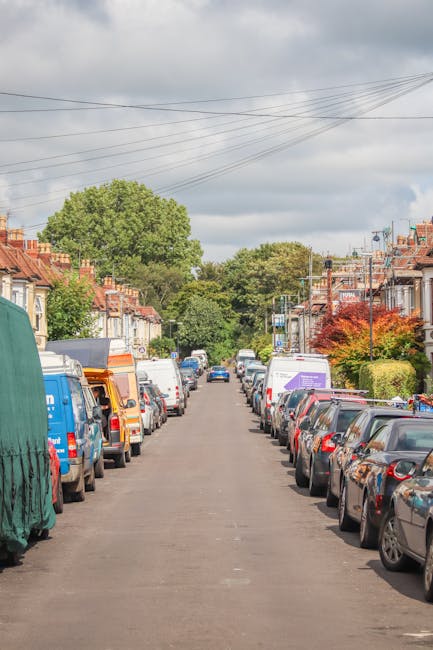
Lewisham Council parking permits for Downham movers
Posted on 26/06/2026
Lewisham Council parking permits for Downham movers: a practical moving-day guide
If you are planning a move in Downham, parking can be the thing that quietly causes the most stress. The boxes are packed, the keys are nearly in hand, the kettle is gone, and then you realise the van has nowhere sensible to stop. That is where Lewisham Council parking permits for Downham movers become genuinely useful. Used properly, they can help you protect the loading space you need, reduce delays, and make the move feel a lot less chaotic.
This guide explains how parking permits and moving-day parking usually work in the area, why they matter, who needs them, and how to handle the practical side without last-minute drama. We will also cover common mistakes, a simple checklist, and a few local moving tips that can save time when the street is already busy and patience is thin. Let's face it, nobody wants to start moving day circling the block.
Why Lewisham Council parking permits for Downham movers Matters
Parking is not just a small admin detail. On moving day, it can decide whether everything runs smoothly or whether the team spends half the morning hunting for a legal place to stop. In a residential part of London like Downham, where streets can be tight, corners awkward, and traffic unpredictable, that matters a lot.
For movers, a permit or agreed parking arrangement can mean the difference between a van being able to load close to the property and a long carry from the nearest available bay. That extra distance quickly turns into extra time, extra fatigue, and sometimes extra cost. If the route from van to front door includes steps, narrow paths, or a busy pavement, the job becomes harder than it needs to be.
It also helps with neighbour relations. A properly parked van is far less likely to block access, trigger complaints, or get in the way of residents who need to come and go. And in my experience, that small bit of planning makes the whole street feel calmer. You can almost hear the move settle down a notch.
Expert summary: If your move depends on close access, a parking permit or clear parking plan is one of the simplest ways to reduce delays, avoid awkward enforcement issues, and keep the loading process predictable.
Downham movers often focus on packing and removals logistics, which makes sense, but parking is part of the logistics too. If you want a smoother move overall, it helps to think about the outside of the property as carefully as the inside. Resources like practical house-moving advice and local parking tips for Downham Estate can help you prepare in a more joined-up way.
How Lewisham Council parking permits for Downham movers Works
In plain English, a moving-day parking permit is there to allow a vehicle to stop legally in a controlled parking area for the purpose of loading or unloading. The exact process can vary depending on the street, the type of bay, and whether any restrictions are already in place. That is the bit people sometimes underestimate. One road may be straightforward; the next may be a completely different story.
For Downham movers, the main thing is to identify whether the property sits on a street with controlled parking, permit bays, single yellow lines, loading restrictions, or limited waiting rules. If it does, you may need permission, a dispensation, or another form of parking arrangement before the van arrives. If the move involves a larger vehicle, you may also need to think about turning space, bay length, and whether the van can safely stop without obstructing traffic.
There is also a practical distinction between parking and loading. In some situations, short-term stopping for loading may be allowed under certain conditions, while parking for a longer period is not. That distinction sounds boring until you are standing by the kerb trying to shave ten minutes off a schedule that has already gone sideways.
The safest approach is to plan as if the move will need dedicated space right outside or as close as possible to the property. If you are using a professional removals team, ask them early what they need in terms of van access, bay space, timing, and any local restrictions they have encountered before. That conversation alone can prevent a lot of last-minute scrabbling.
For people moving into a flat or maisonette, access can be even more important because stairs, lifts, and repeated trips make parking distance a bigger issue. If that sounds familiar, it is worth looking at flat access and booking tips near Downham Health Centre as part of your planning.
Key Benefits and Practical Advantages
The value of good parking arrangements is not abstract. It shows up in small, very real ways on the day.
- Shorter carrying distances: the van can stop closer to the entrance, which saves time and energy.
- Lower risk of damage: fewer long carries means less chance of furniture being bumped on walls, gates, or kerbs.
- Better schedule control: once the van has a proper place, loading and unloading usually move more predictably.
- Less stress for everyone: the team can work without the background worry of a ticket, complaint, or forced move.
- Improved safety: fewer awkward lifts over distance reduce the chance of slips and strain.
There is also a commercial benefit. When a removals team can load efficiently, the job tends to be cleaner and calmer. That does not magically make moving pleasant - nothing does, really - but it can make the day more orderly and sometimes more cost-effective. If you are comparing move options, it is sensible to factor in parking and access as part of the overall quote, not as an afterthought. The page on clear removals pricing in Downham is useful reading if you are trying to spot where hidden time costs creep in.
For heavier items, the impact is even stronger. A few metres less distance might not sound like much, but try carrying a wardrobe or mattress repeatedly through a narrow entrance and you will notice the difference very quickly. If you want a better sense of how item handling and route planning fit together, the guides on moving beds and mattresses and sofa handling and storage care are genuinely helpful.
Who This Is For and When It Makes Sense
Not every move needs a formal permit arrangement. But many do need some sort of parking plan, even if it is only a carefully timed stop in a nearby bay. Here is who should pay attention:
- homeowners moving from or into a terraced street
- tenants in flats, maisonettes, or converted buildings
- students moving in or out with a van rather than a car
- families with bulky furniture, multiple boxes, or white goods
- office or small business moves where equipment must be unloaded quickly
- anyone moving on a weekday when roads are busier and parking turnover is tighter
It makes especially good sense if your property has limited frontage, shared access, a narrow street, or a controlled parking zone nearby. It also makes sense if you are using a larger removal van instead of a small man-and-van vehicle. Bigger vehicles are less forgiving. They need space. Quite a bit of it, actually.
If your move is simple and you already have a private driveway or allocated bay, you may not need much else. But if you are moving somewhere like a busy residential street or a block of flats, do not assume parking will sort itself out. That is a classic moving-day mistake.
To help match the right moving service to your access needs, it can also be useful to review the wider removal services overview and decide whether your move is best handled as a standard house move, a flat move, or a specialist job with additional logistics.
Step-by-Step Guidance
Below is a practical way to approach Lewisham Council parking permits for Downham movers without getting buried in admin.
- Check the address early. Look at the street layout, access road, any yellow lines, permit bays, or loading restrictions. Do this before you book the van if possible.
- Decide how much loading space you actually need. A small move may only need a short stop. A full house move with furniture and boxes usually needs much more room.
- Confirm the moving date and rough time window. Parking arrangements often depend on timing. Mid-morning on a weekday is a very different situation from a Sunday afternoon.
- Speak to your removals provider. Tell them about the street, any known issues, and whether you expect a permit or loading bay arrangement to be necessary.
- Ask what type of vehicle is planned. A compact van, standard removal van, or larger vehicle each needs different space. This sounds obvious, but people forget it all the time.
- Arrange the parking solution. Depending on the location, this may mean a permit, a loading bay plan, or a timed stop that respects restrictions.
- Prepare the property entrance. Keep the path clear, avoid stacking boxes in the doorway, and make sure keys, parking details, and contact numbers are ready.
- Leave a little breathing room. Even a small delay at the start can ripple through the whole morning. Build in a buffer.
If you are still in the packing phase, it pays to line up the practical stuff together. Guides like this packing walkthrough and decluttering before you move can make the loading stage far less frantic. Fewer random items means faster loading, which often means less time spent needing parking space.
One small but useful habit: write the parking arrangements on a note and put it by the door. When the morning gets busy and the phone is buzzing, simple notes beat memory every time.
Expert Tips for Better Results
In real moving jobs, the best outcomes usually come from boring, disciplined prep. Not glamorous. Just effective.
- Measure the vehicle against the street, not just the property. A van that fits in principle may still be awkward at the kerb.
- Plan for worst-case access. If there is any doubt about direct parking, have a backup stopping point in mind.
- Avoid peak congestion if you can. School run times, commuter traffic, and bin collection days can all matter more than people think.
- Keep bulky items separate. Sofas, beds, mattresses, and wardrobes should be ready first so the van can be loaded in the right order.
- Protect the building entrance. If the move involves repeated trips, use covers or careful handling to reduce scuffs on walls and door frames.
- Use smaller boxes for awkward loads. Heavier boxes take longer to move and increase strain. That's just basic, but easy to ignore when you are in a rush.
A good local mover will also think about slope, kerb height, pavement width, and whether there is room to open the tail lift or rear doors safely. These details often get overlooked by people planning their own move, then suddenly everyone is standing around trying to make a six-foot sofa behave on a narrow pavement. It never really does.
If your move includes specialist items, the planning gets even more important. You may want to read about professional piano moving and how expert handling changes the logistics. For awkward, heavy, or precious items, close parking is not a luxury. It is a practical necessity.
And if your moving day might be tight, having access to same-day removals in Downham can help when plans shift unexpectedly. Not every move goes to script, unfortunately.
Common Mistakes to Avoid
Most parking problems during a move come from assumptions. People assume there will be room, assume the van can stop anywhere for a moment, or assume the council will treat every situation the same. That is where things slip.
- Leaving parking decisions until the morning of the move. By then, it is usually too late to make a clean adjustment.
- Assuming loading and parking are identical. They are not always treated the same way.
- Booking the wrong size vehicle. A van that is too large can create more problems than it solves.
- Forgetting about neighbours or building access. A blocked entrance can create tension very quickly.
- Not checking for a narrow street or blind bend. This is one of those details you only want to notice once.
- Overloading the schedule. If parking is tight, loading takes longer. Build that in.
Another common one: people pack brilliantly but do not leave enough space to move boxes out of the property in a sensible order. That leads to a bottleneck at the front door, which is the last thing you need. If you want to tidy that side up, moving-out cleaning tips and stress-free house moving advice are both worth a look.
Truth be told, the worst moving-day moments are rarely dramatic. They are usually small: one blocked bay, one missing key, one van that cannot quite stop where it should. Small things. Big ripple effect.
Tools, Resources and Recommendations
You do not need a toolbox full of specialist equipment to manage parking sensibly, but a few basic tools make life easier.
- Printed moving-day notes: parking details, contact numbers, and timing reminders.
- Measuring tape: useful for checking doorways, tight spaces, and furniture sizes before loading.
- Boxes of the right size: the right boxes reduce trips and make loading more efficient.
- Marker pens and labels: faster unloading means less time the van needs to stay parked.
- Protective materials: blankets, covers, and wraps help when the van is parked a little farther away than hoped.
From a planning point of view, these pages can also help you prepare the move more sensibly: packing and boxes in Downham, storage options for temporary overflow, and choosing the right removal van. If you have to split the move over two days or need to hold items temporarily, storage can reduce pressure on the loading window a lot.
For moving particularly heavy things, it is also sensible to look at the safer side of lifting and handling. The articles on heavy-load lifting techniques and the physics of safer lifting are useful if you are the sort of person who ends up carrying the awkward end of the wardrobe.
Law, Compliance, Standards, or Best Practice
This topic sits in the practical overlap between moving logistics and parking rules, so caution matters. You should always treat any local parking arrangement as something to be checked before the move, not guessed on the day. Parking controls, loading rules, and permit requirements can vary by street and by time of day.
The safest best practice is simple:
- do not park where stopping is prohibited
- do not rely on informal "it'll be fine for ten minutes" assumptions
- do not block access for residents, emergency vehicles, or pedestrians
- do keep evidence of any agreed permit or parking arrangement with the moving paperwork
- do communicate clearly with the removals team about restrictions
Good movers also work to sensible health and safety expectations. That means using safe lifting practice, keeping access routes clear, and not forcing heavy items over long distances when a better parking arrangement would avoid the issue. If you want a broader sense of how a reputable team handles planning and risk, read the pages on insurance and safety and health and safety policy.
For property managers or landlords, it is also worth keeping the move orderly and respectful. A well-managed parking setup reduces complaints, lowers the chance of damage, and keeps communal areas calmer. That is good practice whether the move is a single flat or an entire household.
Options, Methods, or Comparison Table
There is more than one way to handle moving-day parking, and the best method depends on the street, the size of the vehicle, and how much time you need. Here is a simple comparison.
| Option | Best for | Pros | Limitations |
|---|---|---|---|
| Dedicated permit or arranged space | Busy streets, flats, large loads | Most predictable, closest access, less rushing | Needs early planning and confirmation |
| Short-term loading stop | Smaller moves or quick unloads | Simple and flexible if allowed | Can be time-limited and less reliable |
| Nearby legal parking with longer carry | Quiet streets or low-volume moves | Sometimes easy to arrange | More carrying, more time, more strain |
| Two-stage move with storage | Complex moves or property handover gaps | Reduces same-day pressure, easier scheduling | Extra handling and potential extra cost |
In many Downham moves, the best outcome is a hybrid approach: a sensible parking plan plus a van size that matches the street. Not too big, not too small. Just right. Goldilocks would have approved, probably.
If you are still weighing your moving style, compare the practical differences between man and van moves, house removals, and flat removals. Parking pressure is not the same for each one.
Case Study or Real-World Example
Imagine a move from a first-floor flat in Downham to another property a few streets away. The contents are fairly standard: boxes, a bed, a sofa, a dining table, and a few awkward bits like lamps and a mirror. Nothing wildly unusual. But the street outside the flat is narrow, with resident parking and limited stopping space. No driveway. No private bay. And the weather, to make things a bit annoying, is damp and grey.
In that situation, the team first checks the street access and decides the van needs a close stopping point for loading. Instead of waiting until arrival, the move is planned around the available parking option in advance. The boxes are grouped by room, the bulky furniture is separated, and the van is loaded in an order that keeps the heaviest items near the doors.
Result? Fewer carries, less waiting, less double-handling. The job still takes effort - moves always do - but it does not turn into a scramble. The stairs are still stairs, of course, and they still exist. But they are not made harder by a poorly planned van stop.
That same kind of planning is especially useful when moving larger pieces like sofas or pianos. If your move includes those items, the detailed guides on sofa storage and care and specialist piano removals can help you understand why access matters so much.
Practical Checklist
Use this as a quick moving-day sanity check. It is the sort of list that saves you from forgetting something obvious while everyone else is asking where the tape went.
- Confirm the moving date and arrival window.
- Check whether the street has parking restrictions, loading rules, or permit bays.
- Tell the removals team about any access issues early.
- Make sure the vehicle size fits the road and the job.
- Prepare a backup parking option if the nearest space is unavailable.
- Keep doorway, hall, and pavement access clear.
- Label furniture and boxes so unloading is quicker.
- Keep keys, contact numbers, and any parking notes to hand.
- Allow buffer time for traffic, loading delays, or neighbour access.
- Check the route from van to property for steps, slopes, or tight turns.
If your move is a little more complex, it can help to review the broader moving journey too. The article on why moves in Downham get delayed is a useful reality check, especially if you are balancing access, timing, and a same-day handover.
Get a free quote today and see how much you can save.
Conclusion
Lewisham Council parking permits for Downham movers are not just a box to tick. They are part of what makes a move manageable instead of messy. When you get the parking right, everything else tends to flow better: loading is quicker, heavy lifting is less punishing, and the whole day feels more controlled.
The key is to plan early, speak clearly with your removals team, and think about the street as carefully as you think about the boxes inside the house. A few small decisions now can save a surprising amount of stress later.
And if the day still feels a bit bigger than you expected, that is normal. Moving is a lot. But with the right parking plan, it becomes a lot more doable - one sensible step at a time.