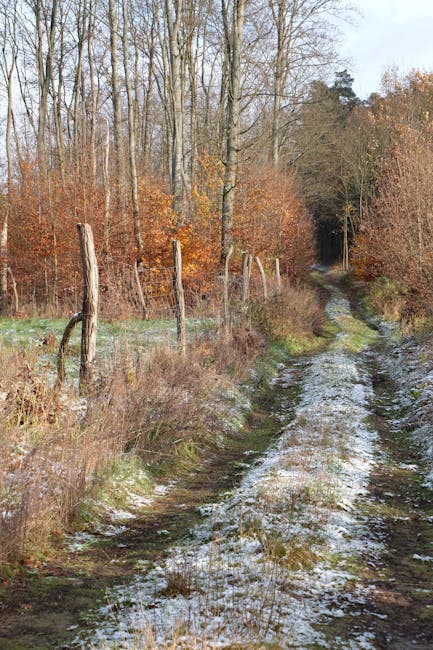
Moving near Downham Woodland Walk: access & route tips
Posted on 06/05/2026
Moving near Downham Woodland Walk: access & route tips
Moving home is stressful enough without discovering, on the day itself, that the van can't quite fit where you hoped, the parking is tighter than expected, or the route you planned feels awkward with boxes in hand. If you're moving near Downham Woodland Walk, a bit of local access planning can save you time, effort, and a fair amount of frustration. Truth be told, that small patch of organisation often makes the biggest difference.
This guide breaks down access considerations, route planning, parking tactics, and practical moving-day habits that help everything run more smoothly. Whether you're in a flat, a terraced house, or a larger family property nearby, the aim is simple: make the move feel less chaotic and more controlled. And yes, that includes the bits people tend to forget until 7:30 in the morning when the van arrives and everyone's trying not to trip over a kettle.
We'll also touch on how to prep your belongings, what kind of moving support may suit your situation, and which mistakes to avoid around a local green-space setting like Downham Woodland Walk. If you want more general moving preparation alongside this local planning, you may also find this house-moving guide and the packing step-by-step article useful.
Why Moving near Downham Woodland Walk: access & route tips Matters
Downham Woodland Walk gives the area a calmer, greener feel, but moving near a woodland or park-adjacent setting comes with its own practical realities. Access can be influenced by narrower residential roads, limited turning space, foot traffic, school-time congestion, or a patchwork of parking arrangements that look simple on a map and feel very different on the ground.
That's why route tips matter. A removal van does not behave like a small car, and a sofa does not politely fold itself to suit a tight corner. If your access point is awkward, every minute saved on planning can be lost unloading, re-parking, or carrying items further than expected. In our experience, the houses that go best are not always the closest ones; they're the ones with the clearest plan.
There's also a comfort factor. Moving day is noisy, busy, and oddly full of tiny decisions. Which entrance is easiest? Can the van stop safely? Is the route to the front door clear of bins, bicycles, or overgrown hedging? Answering those questions in advance gives you a calmer start, and that calm is worth something.
For local moves, access planning can also affect the type of service you choose. A simple ground-floor move may work well with a man and van service in Downham, while a larger household move may need a more structured house removals service. Different access challenges call for different levels of support. That part is easy to overlook, but it really does matter.
How Moving near Downham Woodland Walk: access & route tips Works
The process is less mysterious than it sounds. Good local move planning usually follows three connected steps: assess the property access, plan the vehicle route, and sequence loading and unloading around the real-world conditions on the day.
First, access. This includes the width of the road, whether the van can park close enough, whether there are dropped kerbs, how far items need to be carried, and whether stairs, paths, or shared entrances create bottlenecks. A ground-floor flat with a tight communal entrance can be more awkward than a house with a long but straightforward drive. Funny how that works.
Second, route planning. This is about choosing the best way for the moving vehicle to approach the property, especially if certain roads are busy at school run times or if larger vehicles need to avoid turns that look fine in a saloon car but not in a transit van. The route should also account for any one-way sections, roadworks, or local restrictions. Even if your area feels familiar, the van driver's route needs to be practical for loading, not just familiar to you.
Third, timing and sequence. The smartest moves often use the quietest time window. That may mean avoiding peak commuter flow, giving yourself extra time for parking, or arranging the biggest items first so they're not awkwardly trapped behind smaller boxes. For heavier or fragile furniture, it may be sensible to use specialist support such as furniture removals in Downham or even piano removals if the item demands extra care.
One useful way to think about it: access is the geometry of the move, and route planning is the rhythm. Get both right, and the day feels much less like a scramble.
Key Benefits and Practical Advantages
There are a few very real benefits to planning your access and route properly before moving near Downham Woodland Walk.
- Less carrying distance: Parking closer to the entrance reduces strain, time, and the risk of knocks and scrapes.
- Lower stress: You're not inventing a plan while carrying a mattress or arguing over where the van should stop.
- Safer handling: Fewer awkward turns and fewer rushed lifts mean less chance of damage or injury.
- Better time control: A planned route helps your moving team stay on schedule.
- Fewer access surprises: Shared drives, narrow corners, or tree-lined roads are easier to manage when anticipated.
- More suitable service choice: You can choose between a small van, a larger removal vehicle, or a full removals team with confidence.
There's another benefit people rarely mention: better neighbour relations. If you're considerate about where the van stops, how long the pavement is blocked, and how quickly items are loaded, people notice. Not always loudly, but they do notice. And that goes a long way, especially in residential pockets near green spaces where foot traffic and daily routines overlap.
If you're still deciding what kind of support fits your move, the broader overview on services available in Downham can help you compare options without overcomplicating things.
Who This Is For and When It Makes Sense
This kind of planning is useful for almost anyone moving near the woodland walk, but it matters most for people with slightly awkward access or a time-sensitive move.
You'll especially want a detailed route plan if you are:
- moving from a flat with stairs or a shared entrance;
- living on a road where parking is limited or quickly fills up;
- moving bulky furniture, appliances, or fragile items;
- trying to complete a move in a single day;
- balancing removals around work, school runs, or childcare;
- organising a student move or a first-time rental move;
- storing some items rather than moving everything straight away.
For students and renters, the move is often smaller but more compressed. Bags, boxes, kitchen bits, and whatever survived the last term all need to be handled quickly. If that sounds familiar, student removals in Downham and flat removals support are worth exploring.
For families or long-term homeowners, the issue tends to be volume. There's more furniture, more packing material, and more chance that a route that looked fine for a car is suddenly not ideal for a van. If your move includes temporary overflow, storage in Downham can reduce the pressure and let you sequence the move more sensibly.
Step-by-Step Guidance
Here's a practical way to plan access and routes without making the whole thing feel like a military operation.
- Walk the route from the property to the nearest safe stopping point. Look at kerbs, gates, paths, low branches, tight corners, and any places where a wheeled trolley might struggle.
- Check vehicle suitability. A smaller van may be easier on narrow residential roads, while a larger van might be more efficient if the road allows it. If unsure, ask whether a removal van in Downham is the best fit for the load and the street layout.
- Identify parking options. Note resident bays, short-stay spaces, double yellow lines, and any restrictions. If you need to stop briefly for loading, make sure the stop is sensible, safe, and legal. No one enjoys a rushed penalty notice on moving day.
- Time the move sensibly. Early morning can be calmer, but not always practical for every household. Midday may work better if school traffic is an issue. Think about the local rhythm, not just the clock.
- Sort items by accessibility. Put first-load items near the exit and keep essentials separate. This is where decluttering before you move makes a real difference.
- Protect the route inside the property. Use floor coverings, blankets, or cardboard to reduce scuffs, especially on narrow hallways or polished surfaces.
- Assign a clear point of contact. One person should guide the move, answer questions, and make final decisions. Too many voices at once creates confusion very quickly.
- Plan the unloading order. Put essential items and large furniture in a logical order so they can be reassembled or placed without constant reshuffling.
A small but useful reminder: if you're moving fragile pieces, the route matters just as much as the lift. A careful path through the building is often what prevents those annoying edge chips and corner grazes.
And yes, packing matters too. The best route in the world cannot save a badly packed box of crockery. For that side of things, the packing and boxes service can be a sensible support option, or you can use the packing guide if you prefer to handle it yourself.
Expert Tips for Better Results
These are the sorts of small adjustments that make a surprisingly big difference.
- Use the shortest safe carry route, not just the shortest map route. A slightly longer path with better footing is often faster in real life.
- Keep the van access point clear. Remove bins, loose garden items, and anything else that might slow down the handover.
- Label your "priority first" boxes. Kettle, mugs, phone chargers, toilet roll, snacks. The glamorous stuff.
- Prepare for weather. Rain changes everything. Wet cardboard, muddy shoes, and slippery steps can turn a neat plan into a messy one by 9 a.m.
- Use proper lifting technique. Bend your knees, keep loads close, and avoid twisting under weight. If you want a more detailed refresher, this lifting guide is a helpful read.
- Don't understate item size. Sofas, mattresses, and wardrobes often need more room than people think. For mattress handling, see these bed and mattress moving tips.
- Make awkward items someone else's problem. Not in a bad way. Just realistically. Big pianos, heavy sofas, and delicate antiques are often better handled by specialists.
One slightly underrated tip: keep a small bag with hand wipes, a bottle of water, tape, and a marker pen. On moving day, you always need the one thing you didn't pack. Always.
If your move is large or time-sensitive, it may be worth comparing full service options with a smaller vehicle-based approach. The practical differences are covered well in man with a van Downham, removals in Downham, and local removal services.

Common Mistakes to Avoid
Most moving delays near residential green spaces are not caused by dramatic disasters. They're caused by small assumptions. The kind that sound harmless the night before and then cost you half an hour the next morning.
- Assuming the van can park anywhere. It usually can't. Not safely, and not legally in many cases.
- Ignoring tree cover, kerbs, and tight turns. Woodland-adjacent streets often have more visual obstruction than people expect.
- Leaving bulky items for last. If the sofa is still in the hallway while the boxes are already loaded, you've created your own obstacle course.
- Not checking entry points. Side gates, shared corridors, and basement stairs can all affect the route dramatically.
- Forgetting to communicate with neighbours. A quick polite note can prevent complaints about temporary inconvenience.
- Packing too much into one box. Heavy boxes are harder to carry and more likely to split at the worst possible moment.
A common one is trying to "save time" by rushing the first van load. That usually backfires. Slow at the start often means faster overall. It's a bit counterintuitive, but you'll feel the difference by lunchtime.
If you know you're likely to need extra support, it is better to book earlier than hope the day will magically work itself out. For larger or more specialist moves, the pages on removal companies in Downham and removals Downham are good places to compare what's available.
Tools, Resources and Recommendations
You do not need a mountain of gear to move well, but a few basic tools genuinely help.
| Tool or resource | Why it helps | Best used for |
|---|---|---|
| Furniture blankets | Protects corners, finishes, and doors | Sofas, tables, wardrobes |
| Trolley or sack truck | Reduces carrying strain over longer distances | Boxes, appliances, heavy parcels |
| Strong tape and labels | Keeps packing secure and organised | Every room in the property |
| Door wedge or prop | Stops doors closing while carrying items through | Narrow hallways and repeated trips |
| Route notes or phone map | Helps the driver avoid awkward turns or restrictions | Vehicle approach and parking plan |
| Storage option | Gives breathing room when dates don't line up | Staged moves, downsizing, delays |
For moving support, practical packaging, and the service side of things, these resources are especially useful:
- How to declutter before moving
- Moving-out cleaning tips
- Advice for storing a sofa properly
- Why specialist piano moving matters
- Same-day removals in Downham if timing becomes tight
To be fair, the best "tool" is still a clear plan. But a trolley comes a very close second.
Law, Compliance, Standards, or Best Practice
For a local move like this, the big compliance issues are usually practical rather than complicated. You're mainly looking at safe parking, considerate loading, careful lifting, and respect for communal or public spaces.
In the UK, it is sensible to follow common-sense moving-day best practice: don't block access routes unnecessarily, avoid unsafe stopping positions, and make sure items are carried in a way that minimises the chance of injury or damage. If loading on a street, pay close attention to local parking rules and any permit requirements that may apply. Because rules vary by street and borough arrangements, it's wise to verify the exact position rather than assume.
From a safety point of view, professional movers should have clear processes for handling heavy items, protecting property, and working with suitable equipment. If you want to see how a company frames that side of the job, the pages on health and safety policy and insurance and safety are worth a look. They help set expectations and build trust, which is exactly what you want when someone is moving your belongings through tight access points.
It is also reasonable to check the moving company's payment terms, complaints procedure, and general conditions before booking. That doesn't mean expecting problems; it just means being clear. A tidy move starts long before the van turns up.
Options, Methods, or Comparison Table
If you're deciding how to handle a move near Downham Woodland Walk, the right method depends on property type, load size, access, and how much hands-on help you want.
| Option | Best for | Pros | Trade-offs |
|---|---|---|---|
| DIY move | Very small loads and flexible schedules | Lower upfront cost, full control | More lifting, more risk, more planning pressure |
| Man and van | Flat moves, student moves, local relocations | Flexible, efficient, often ideal for short distances | May be less suitable for very large households |
| Full removals team | Family homes, bigger furniture, more complex access | More support, better for bulky items, less lifting for you | Typically involves more coordination |
| Move with storage | Staggered dates, downsizing, temporary gaps | Flexible timing, easier to stage the move | Requires extra planning and separate storage logistics |
If you're not sure which route to take, start with the load and the access, not the label. That usually tells you the answer quicker than anything else. And if your move is more complex than it first appears, flat removals support or a broader removal van service may fit better than a full self-managed attempt.
Case Study or Real-World Example
Imagine a typical move from a first-floor flat near the woodland walk to another property only a short distance away. On paper, it looks easy. In reality, the building has a shared entrance, the road is lined with parked cars, and the closest space is a little further down than expected. Nothing dramatic, just enough to slow things down if no one plans for it.
In that situation, a good plan would look something like this: the mover checks the route the day before, identifies a safe loading point, prepares the largest furniture to come out first, and keeps the essentials separate. Boxes are stacked in the order they'll be loaded, and the team knows which items are going into the new home first. That avoids the classic "where's the lamp?" moment while the van is already half empty.
Now imagine the same move without planning. The van arrives, the entrance is busier than expected, one person goes to find parking, another starts carrying boxes, and someone else is looking for tape. You can practically hear the clock ticking. It's not the end of the world, but it is slower, and it feels ten times more tiring.
That's why route tips and access planning are not just technical detail. They're the difference between a move that feels controlled and one that feels like you're making it up as you go. And no one wants the latter.
Practical Checklist
Use this checklist before moving near Downham Woodland Walk:
- Confirm the exact property access point.
- Measure or at least visually assess stairs, doorways, and tight corners.
- Decide where the van can safely stop for loading and unloading.
- Check if any parking restrictions or permits need attention.
- Plan the route for the vehicle, not just for walking.
- Set aside a clear path inside the property.
- Label boxes by room and priority.
- Keep essentials separate and easy to reach.
- Protect furniture with blankets or covers.
- Arrange help for heavy, awkward, or fragile items.
- Prepare a backup plan for weather, delays, or poor parking availability.
- Check the new property is ready for delivery access too.
Expert summary: If your move near Downham Woodland Walk feels difficult on paper, don't wait for moving day to discover why. Work out the route, parking, carry distance, and load order first. That one bit of foresight usually saves the most time, the most energy, and the most stress.
Conclusion
Moving near Downham Woodland Walk is usually very manageable, but only if access and route planning are treated as part of the move, not an afterthought. A clear loading point, sensible timing, a realistic vehicle choice, and a simple plan for getting items in and out smoothly can transform the whole experience.
There's a quiet satisfaction in getting it right. No frantic back-and-forth. No guessing. Just a steady, workable plan that respects the local roads, the property layout, and your own energy on the day. That is what makes a move feel human and manageable, even when there are boxes everywhere and someone's already asking where the kettle is.
If you want support beyond the route itself, it can help to compare moving services, packing help, and storage options before the day arrives. The right preparation is rarely flashy, but it always pays off in the end.
Get a free quote today and see how much you can save.
And if you're still at the planning stage, take it one step at a time. A calm move is usually just a well-planned move in disguise.