Why moves in Downham get delayed and how to speed up
Posted on 10/06/2026
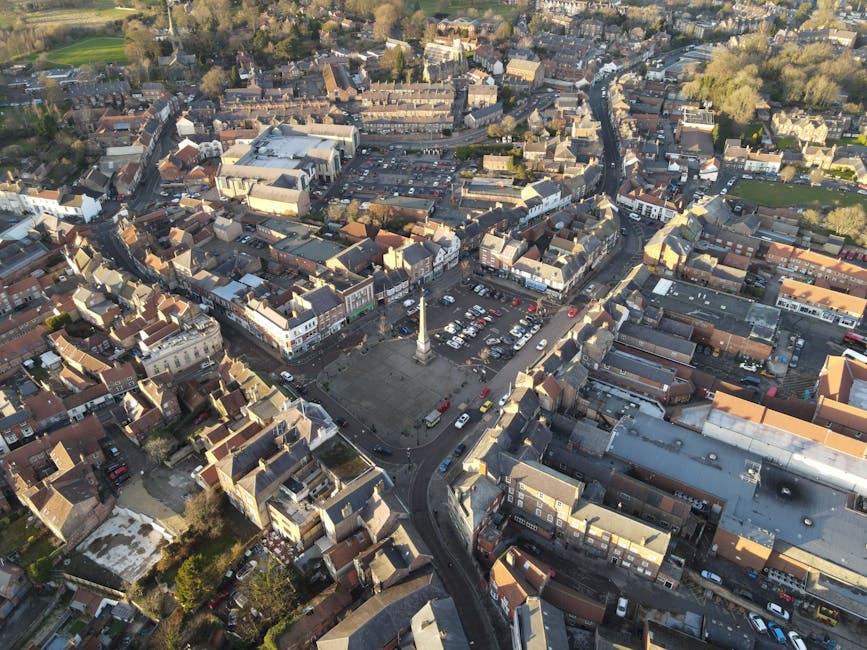
If you have ever stared at a hallway full of boxes while waiting for a van that should already be outside, you will know the feeling: moving day can drift from organised to awkward very quickly. In Downham, delays often come down to a handful of predictable issues, and the good news is that most of them are fixable. This guide explains why moves in Downham get delayed and how to speed up the process without cutting corners. You will get practical, local, and realistic advice on planning, packing, access, parking, furniture handling, and the small decisions that save a surprising amount of time.
Truth be told, most delayed moves are not caused by one big disaster. They are usually a chain of tiny things: a missing parking plan, a sofa that won't fit through a stairwell, boxes still being taped shut at the last minute, or a lift that turns out to be booked by someone else. Let's unpack it properly.
Why Why moves in Downham get delayed and how to speed up Matters
A delayed move costs more than time. It adds stress, can increase labour hours, may create access problems with neighbours or building managers, and can leave you stuck between two properties for longer than planned. In a place like Downham, where many moves involve flats, shared entrances, parking limitations, and tighter access routes, timing matters even more.
There is also the human side. Moving is already one of those days where your brain feels split in ten directions. If the move drags on, people get tired, instructions get messy, and simple tasks start taking twice as long. Someone mislabels a box, someone else cannot find the keys, and suddenly the kettle is packed in the van with the bedding. Not ideal.
Speeding up a move is not about rushing. It is about removing friction. That means preparing the property, the route, the team, and the contents so that each part of the day can flow into the next. When that happens, you usually get a calmer move as well as a quicker one.
If you want to reduce the risk before moving day, it helps to declutter before you move and follow a practical packing guide that keeps everything moving in the right order. Those two jobs alone can prevent a lot of unnecessary delay.
How Why moves in Downham get delayed and how to speed up Works
A move works best when each stage is clear: preparation, loading, transport, unloading, and settling in. Delays happen when one stage bleeds into the next. For example, if packing is still happening while the van has arrived, loading starts late. If loading starts late, the team may hit traffic later than planned or lose the best access window at the destination.
In Downham, local conditions can also shape the day. Flats can mean stairs, narrow landings, or lift access that needs to be reserved in advance. Houses may be easier in theory, but parking near the front can still be awkward. Certain streets and estates can also be busier at specific times, so the difference between a smooth loading slot and a frustrating one can be small. Very small, actually.
The speed of a move depends on four simple things:
- Readiness - are boxes sealed, labelled, and grouped by room?
- Access - can the van get close to the property and stay there long enough?
- Handling - are large items prepared for quick removal?
- Decision-making - is someone on site who can answer questions quickly?
When any one of these is unclear, the whole job slows down. That is why experienced movers like a clear loading path, a tidy entryway, and a client who knows where everything is. It sounds obvious, but in real homes it is often the missing piece.
Key Benefits and Practical Advantages
Speeding up your move is not just about finishing earlier. It creates several practical advantages that are easy to overlook on the day itself.
- Lower stress levels: Less waiting around means fewer chances for panic to build.
- Better handling of furniture: When people are not rushing unpredictably, items are less likely to be bumped or dragged.
- More predictable costs: If labour is charged by time, a quicker move usually helps avoid unnecessary overrun.
- Less disruption to neighbours: Shorter loading and unloading windows reduce hallway congestion and parking friction.
- Cleaner handovers: You are more likely to finish with time to check rooms, meters, keys, and final cleaning.
There is also a calmer rhythm to a move that is well organised. You hear fewer "where did that go?" moments and more simple, useful instructions. That sounds minor, but it makes a real difference when people are tired and the day is getting on.
Expert summary: Most moving delays are not technical problems. They are planning problems. Clear access, tidy packing, and early decisions do more to speed up a move than trying to work faster at the last second.
Who This Is For and When It Makes Sense
This advice is useful for just about anyone moving in or out of Downham, but some people will feel the benefit more sharply than others.
- Flat movers: If you are dealing with stairs, lifts, or communal entrances, small delays can snowball fast. The article on flat access and booking tips near the Health Centre is especially relevant here.
- House movers: Bigger homes mean more furniture, more boxes, and more room for slowdown.
- Students: Even a small move can be delayed by poor packing, late key handovers, or friends turning up with no clear plan.
- Office movers: Time matters more because staff, equipment, and business disruption all cost money.
- Anyone facing a tight schedule: If your completion, tenancy handover, or work commitments are stacked close together, speed matters more than usual.
It also makes sense if you know your move will involve bulky furniture or awkward access. If there is a piano, large sofa, or a bed frame that needs careful handling, a little extra planning saves a lot of time. For trickier items, it is worth reading about piano moving, moving beds and mattresses safely, and how to store and protect a sofa properly.
Step-by-Step Guidance
Here is a practical way to speed up your move without turning the day into a frantic sprint.
- Confirm the move plan early. Check collection time, destination access, parking arrangements, and any building restrictions. Do not leave this to the morning of the move. That is how tiny issues become annoying ones.
- Declutter before packing starts. Fewer items mean fewer boxes, less lifting, and less van time. A good declutter also makes unpacking much easier.
- Pack by room and label clearly. Labels should say both the room and a short contents note. "Kitchen - mugs and kettle" is better than "misc.". Much better.
- Prepare large furniture. Remove drawers, take photos of cable setups, wrap fragile edges, and dismantle only when it genuinely helps. For awkward items, moving them in the wrong state can cost more time than the dismantling itself.
- Clear hallways and doorways. Boxes, shoes, laundry baskets, and loose clutter can slow down every single trip to and from the van.
- Protect surfaces and paths. Blankets, floor protection, and door protection help prevent pauses caused by damage concerns.
- Set aside essentials separately. Keep documents, keys, chargers, medications, snacks, and the kettle in one clearly marked bag or box.
- Use the loading order wisely. Large items first, then sturdy boxes, then fragile or priority items as agreed. Random loading creates random unloading, which wastes time later.
- Stay available for decisions. If the team needs to know whether a chair is going or staying, answer quickly. Those little pauses add up.
- Leave a finishing window. Build in time for checks, meter readings, and a final sweep. Rushing the last ten minutes can undo the whole day's progress.
If you are packing from scratch, it helps to read more practical guidance like how to make house moving feel less overwhelming and the advice on safer solo lifting techniques. The goal is not heroics. It is steady, sensible progress.
Expert Tips for Better Results
In our experience, the biggest time savings often come from simple habits that people overlook because they seem too obvious to matter. They matter.
Label for unloading, not just packing. If the box says "bedroom 2 - lamps and bedding", the team can place it straight into the right room and avoid a second sort later.
Keep one person in charge. Too many voices slow everything down. One decision-maker on the day keeps the move steady.
Use the right vehicle size. A van that is too small forces extra trips. A van that is sensibly matched to the load helps the whole day move faster. If you are comparing transport options, it can help to look at man and van support in Downham alongside van-only removal options.
Pre-book access wherever possible. If your building has a lift booking system or time slot, secure it early. If there is parking pressure, plan for the closest practical stopping point, not the ideal one.
Separate fragile and bulky items. A boxed lamp should not be hidden behind a stack of coat hangers. That sort of thing always slows the last unload.
Have a backup plan. Sometimes weather, traffic, or a building delay gets in the way. A small buffer in the schedule helps you absorb it without the whole move sliding.
And yes, the weather matters. A wet morning, a bit of drizzle on the pavement, or a gusty corridor by the front door can slow a move more than people expect. London weather likes to be dramatic now and then.
Common Mistakes to Avoid
Some moving delays are basically self-inflicted. That is not a criticism, just the reality. Everyone is juggling a lot.
- Leaving packing until the night before: Tired packing leads to messy boxing, poor labels, and missing essentials.
- Underestimating access problems: A short distance from van to door can still be a long distance if there are stairs, tight corners, or no parking.
- Not measuring large furniture: If a wardrobe or sofa will not fit through a doorway, you need a plan before move day.
- Failing to sort what is staying and what is going: This is one of the easiest ways to waste time and space.
- Forgetting building rules: Lift bookings, move-in slots, and quiet hours can affect the whole schedule.
- Mixing packed and unpacked items: One half-finished room can hold everyone up.
- Ignoring storage needs: If you cannot move everything in one go, you need somewhere secure for overflow. That is where storage in Downham may make the day simpler.
A small warning, too: don't assume the crew can just "work around it". Sometimes they can. Sometimes they cannot. It depends on access, weight, and timing. A five-minute issue can turn into a thirty-minute one if nobody dealt with it early.
Tools, Resources and Recommendations
You do not need fancy equipment to speed up a move, but a few practical tools make life easier.
- Strong packing tape: Weak tape is a silent disaster. Boxes split at the worst possible moment.
- Marker pens: Use thick, readable labels. Tiny handwriting on brown tape is no use at all.
- Furniture blankets and wraps: These protect large items and reduce the chance of delays caused by damage checks.
- Box sizes that suit the contents: Heavy books in small boxes, lighter bedding in larger ones. Basic, but effective.
- Tool kit: Keep screwdrivers, Allen keys, and a bag for fittings in one place.
- Floor or doorway protection: Helpful in flats and shared buildings where you want to avoid scuffs and awkward conversations.
For a smoother packing process, it is also useful to review packing and box options and the practical advice in the article on moving-out cleaning tips. A clean, clear property tends to move faster than one still full of loose clutter and half-packed cupboards.
If sustainability matters to you, it is worth thinking about what gets reused, what gets recycled, and what gets donated rather than simply thrown away. The page on recycling and sustainability is a sensible place to start if you want a greener approach.
Law, Compliance, Standards, or Best Practice
For most domestic moves, the main compliance issues are practical rather than complicated. You still want to respect parking rules, building management requirements, access arrangements, and health and safety expectations. If you are moving in a flat or managed property, the building may have its own rules about lift use, moving hours, or protecting communal areas.
Good practice in the removals industry usually means:
- safe lifting and carrying techniques
- clear communication about heavy or awkward items
- protecting property during loading and unloading
- using appropriate insurance and handling procedures
- respecting neighbours, shared access, and any agreed time slots
It is also sensible to keep paperwork handy. Tenancy handovers, keys, inventory notes, or building instructions may not sound exciting, but they prevent delays and confusion when time is tight. If you want reassurance around handling and risk, the site's insurance and safety information is relevant, as is the health and safety policy. Those pages help set expectations without overcomplicating the move.
Where business or commercial moves are involved, timing discipline matters even more. Staff handover, data protection, equipment handling, and working hours can all affect the schedule. Best practice is usually to plan the move backwards from the deadline, not forwards from the van arrival. That tiny shift in thinking makes a big difference.
Options, Methods, or Comparison Table
Different moves need different approaches. Here is a simple comparison of common ways to manage a move in Downham.
| Method | Best for | Speed | Main risk | Practical note |
|---|---|---|---|---|
| Fully DIY move | Very small loads, flexible schedules | Can be slow | Poor packing, extra trips, fatigue | Works best when access is easy and the load is light |
| Man and van | Small to medium household moves | Usually faster than DIY | Underestimating volume or access issues | Good balance of cost and convenience |
| Full removal service | House moves, flats, busy schedules, fragile items | Typically the quickest to coordinate | Needs good pre-planning to stay efficient | Best when time, access, or heavy items are major concerns |
| Same-day removals | Urgent situations, short notice moves | Fastest to arrange | Less preparation time, higher pressure | Useful when timing is the priority and you need flexibility |
If you are working to a tight deadline, a same-day removals option in Downham may help. If the move is more straightforward and you want a lighter setup, a man with a van in Downham can be the better fit. For larger homes or more awkward furniture, a more structured service often saves time overall.
Case Study or Real-World Example
A fairly typical local scenario goes like this. A couple moving from a Downham flat thought they were ready because the boxes were stacked in the living room. But the lift had not been reserved, the sofa had not been measured against the stairwell, and a few loose items were still scattered in the kitchen. The result? A late start, a slower load, and a slightly frazzled last hour.
On a second attempt, they changed the routine. They packed two days earlier, labelled everything by room, booked the lift, cleared the entrance, and put the keys, documents, and kettle into one essentials bag. The move was not magically easy - it was still a move, after all - but it was faster, calmer, and much less chaotic.
The real lesson is simple. They did not move faster by working harder on the day. They moved faster by removing friction before the van arrived. That is the difference.
If you are facing bulky furniture or awkward stairs, it may also be worth reading about furniture removals in Downham and the specific guidance on Downham Estate streets and parking tips. Local detail can save a lot of guesswork.
Practical Checklist
Use this checklist to keep the move moving.
- Confirm collection and delivery times
- Check access, parking, lift use, and any building restrictions
- Declutter rooms before packing starts
- Pack by room and label every box clearly
- Keep fragile items and essentials separate
- Disassemble large furniture only where needed
- Protect floors, doors, and corners
- Set aside keys, documents, chargers, and medicines
- Keep one decision-maker available on the day
- Allow a small time buffer for delays
- Plan storage if everything will not move at once
- Do a final sweep before handing over the property
A small but useful habit: take a quick photo of every room once it is empty. It gives you a clean record and helps you spot anything left behind. Handy, and oddly satisfying too.
Conclusion
Moves in Downham get delayed for ordinary reasons more than dramatic ones: access, packing, parking, heavy furniture, poor timing, and too many last-minute decisions. The fix is equally ordinary, which is why it works. Prepare early, pack clearly, plan access properly, and keep the day simple enough to follow under pressure.
Once those pieces are in place, the whole move tends to feel lighter. You still have a lot to do, of course, but you are no longer fighting the clock at every turn. And that changes the experience more than people expect. A smoother move is not about perfection. It is about removing the little things that keep tripping you up.
If you want a move that feels more manageable from the start, a bit of planning now is worth a great deal later. One sensible step today can save a lot of breathing out tomorrow.
Get a free quote today and see how much you can save.